
The Winnipeg Collection
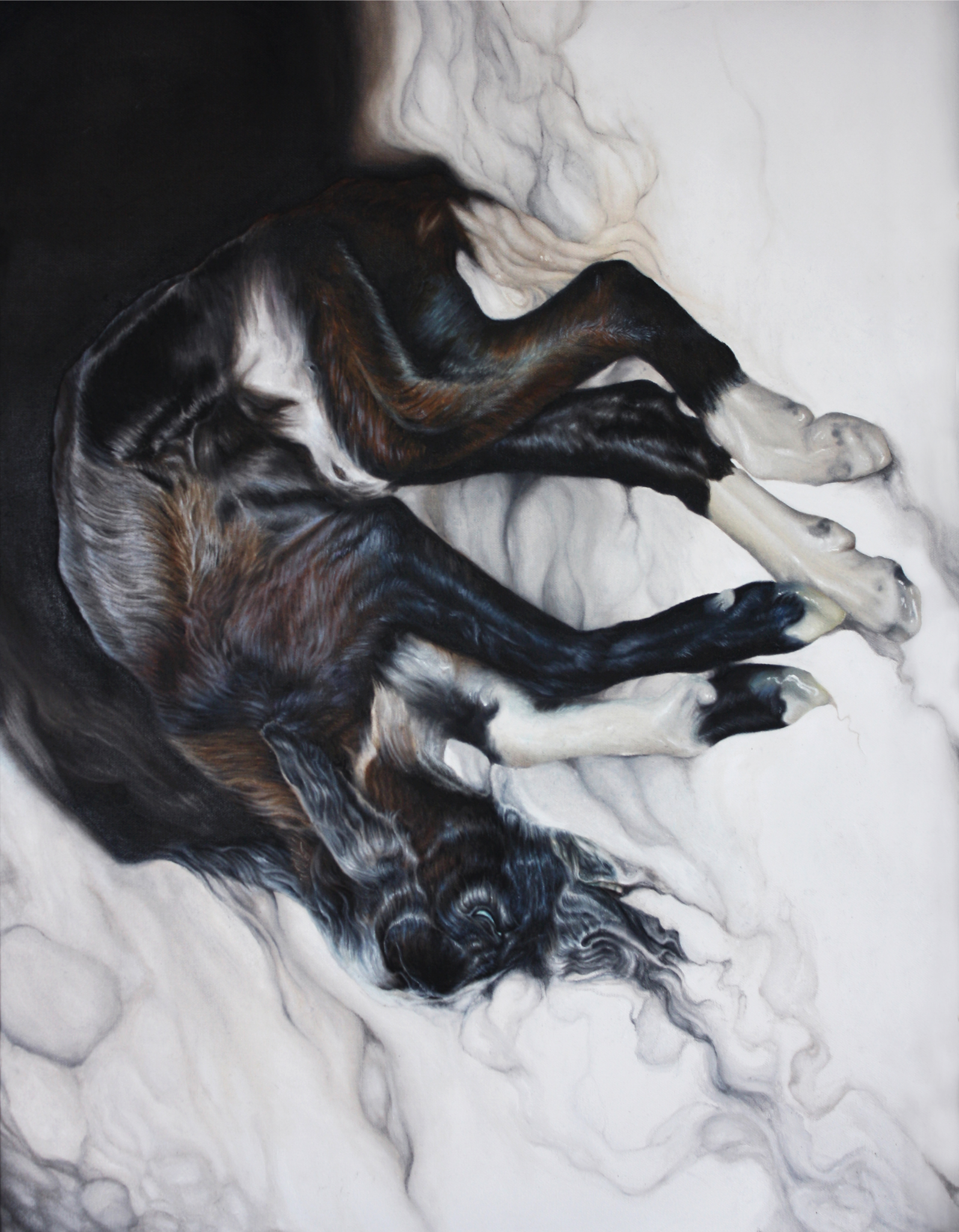
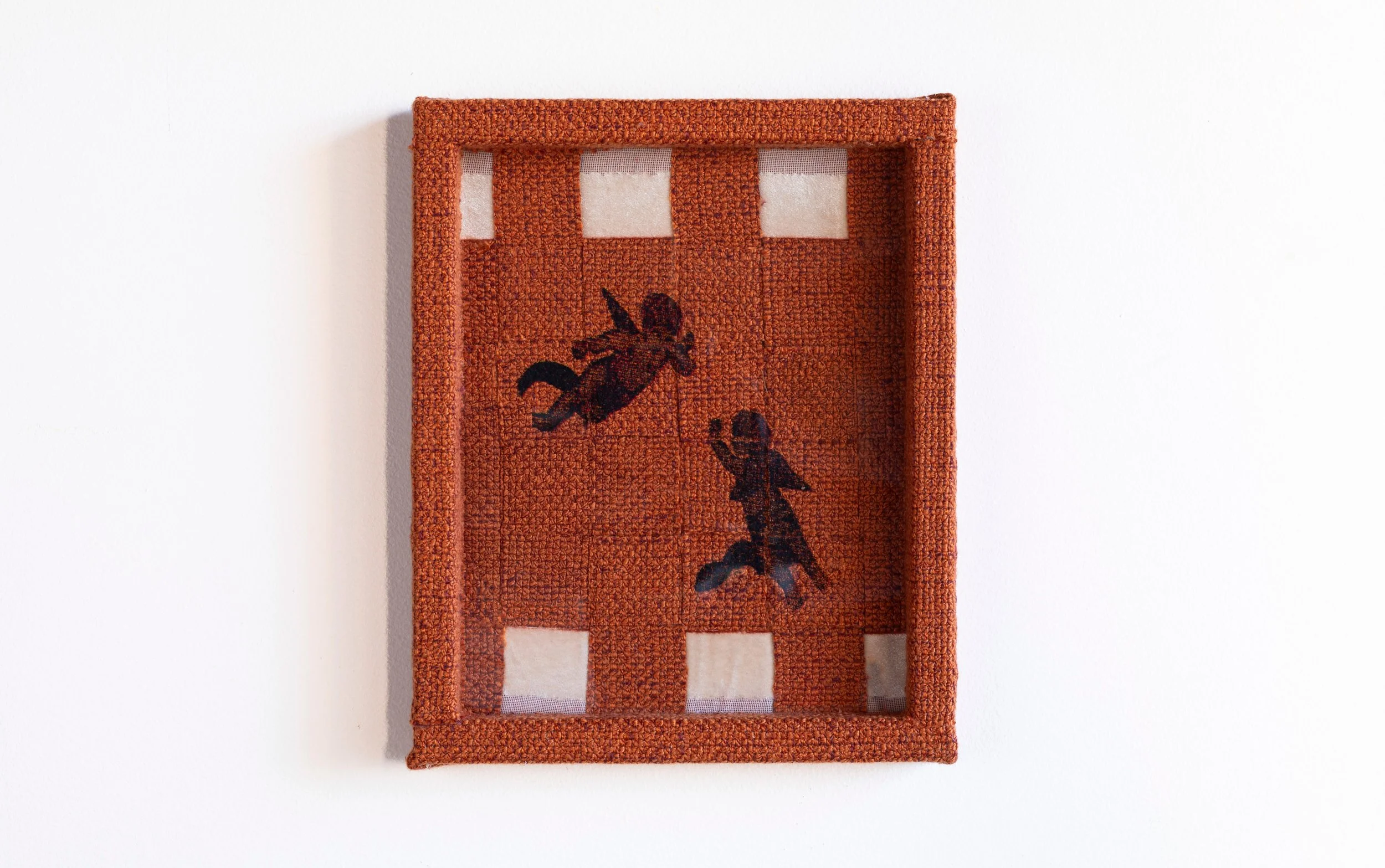
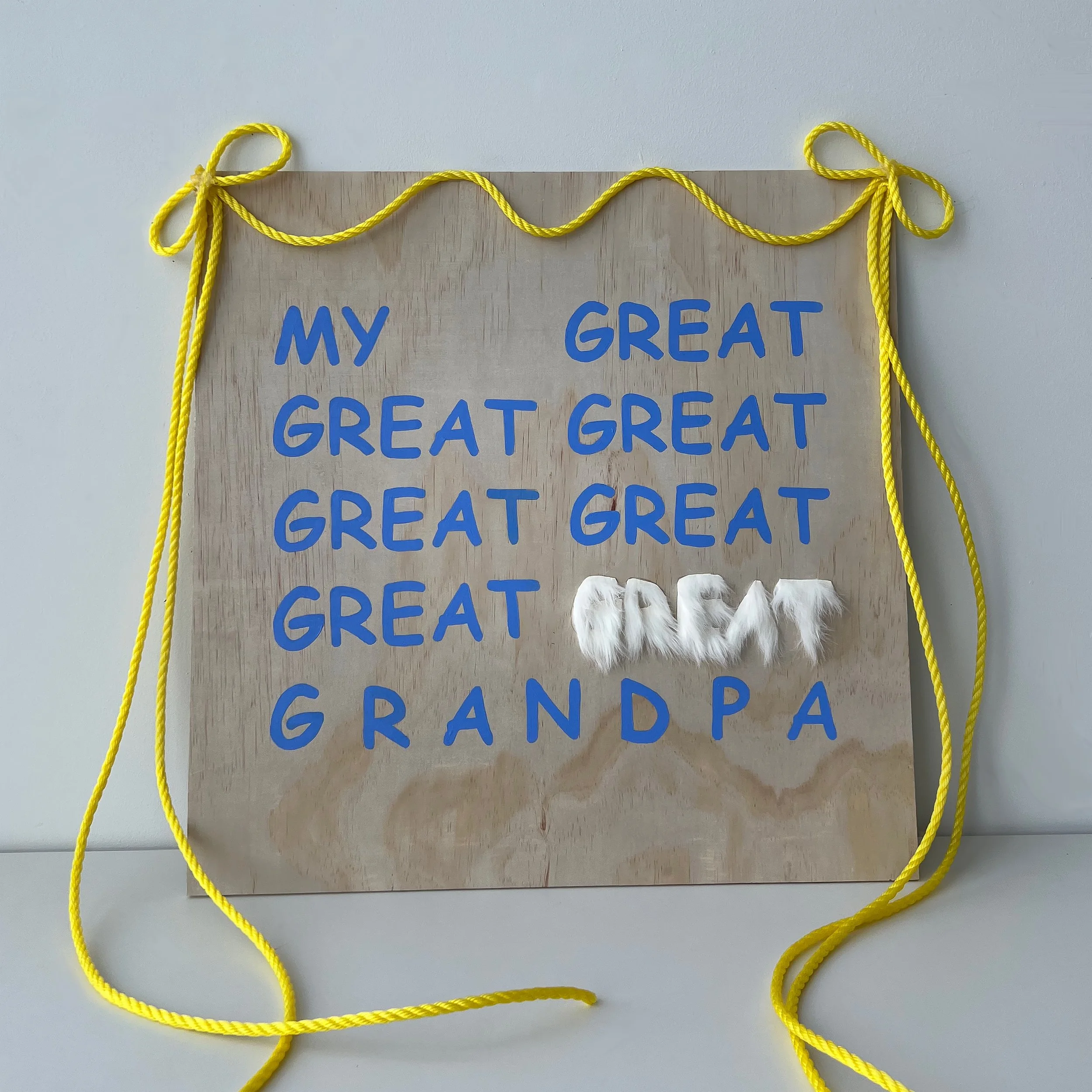
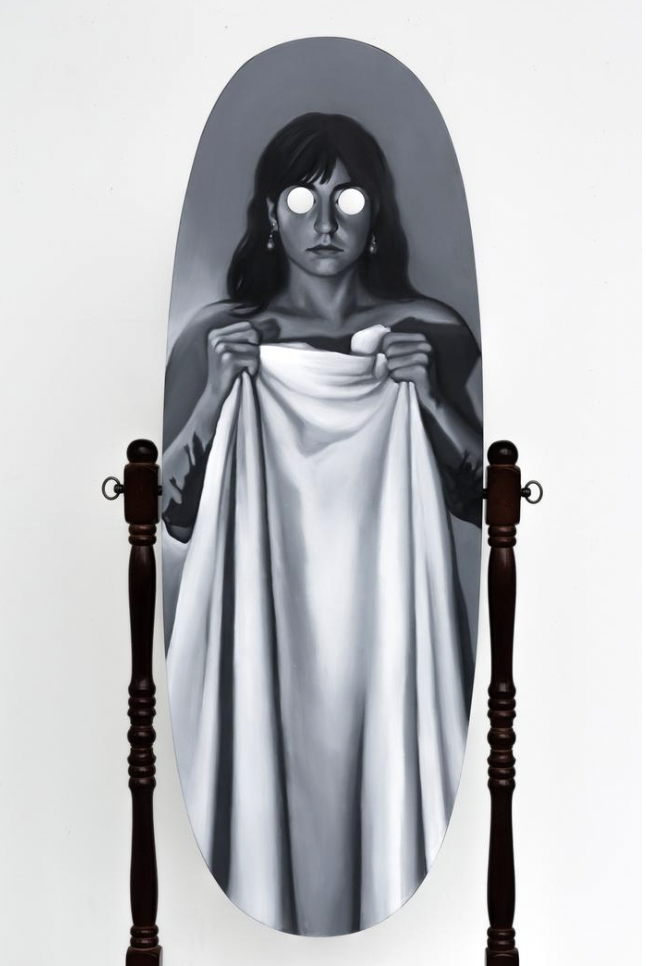
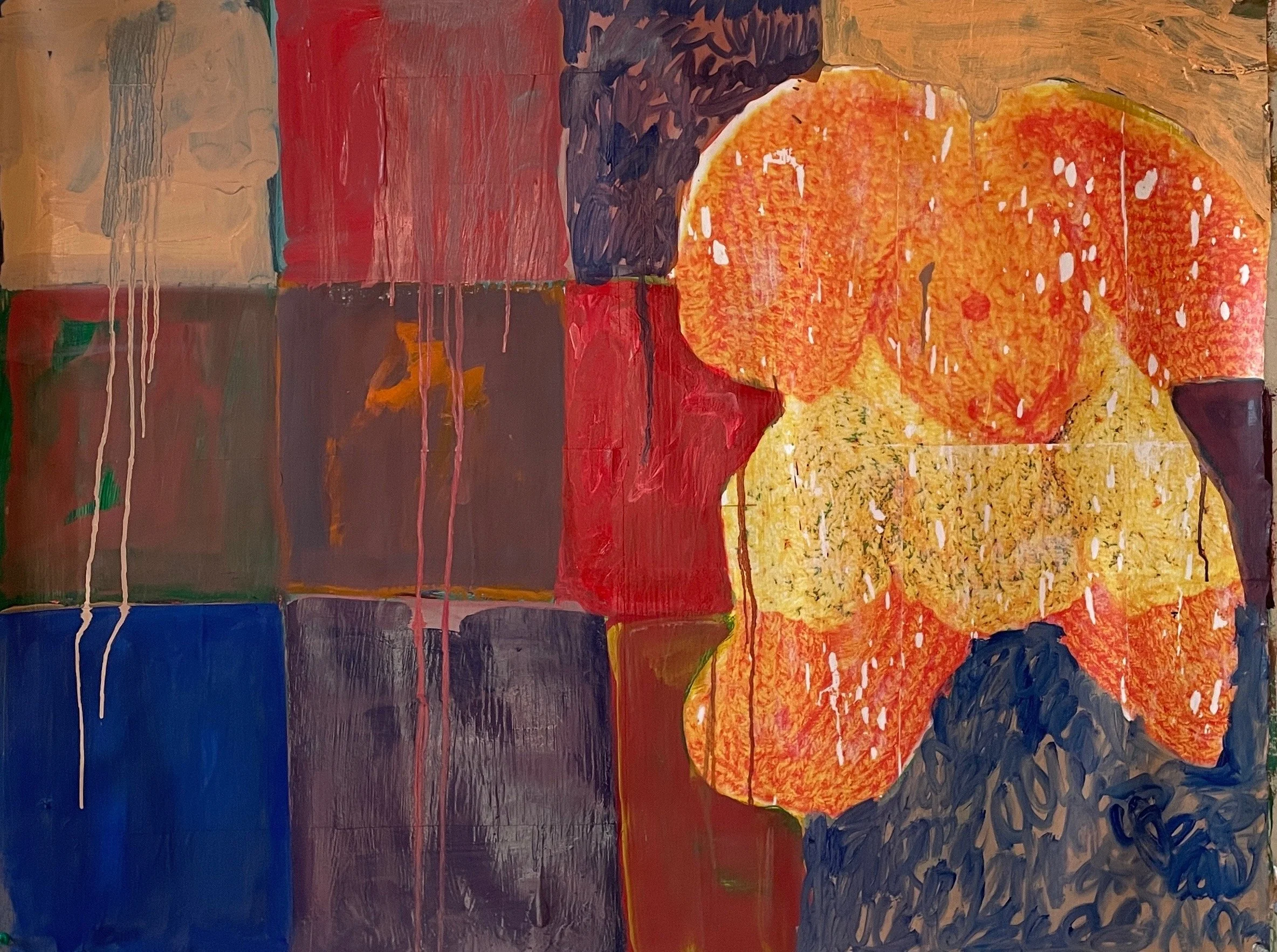

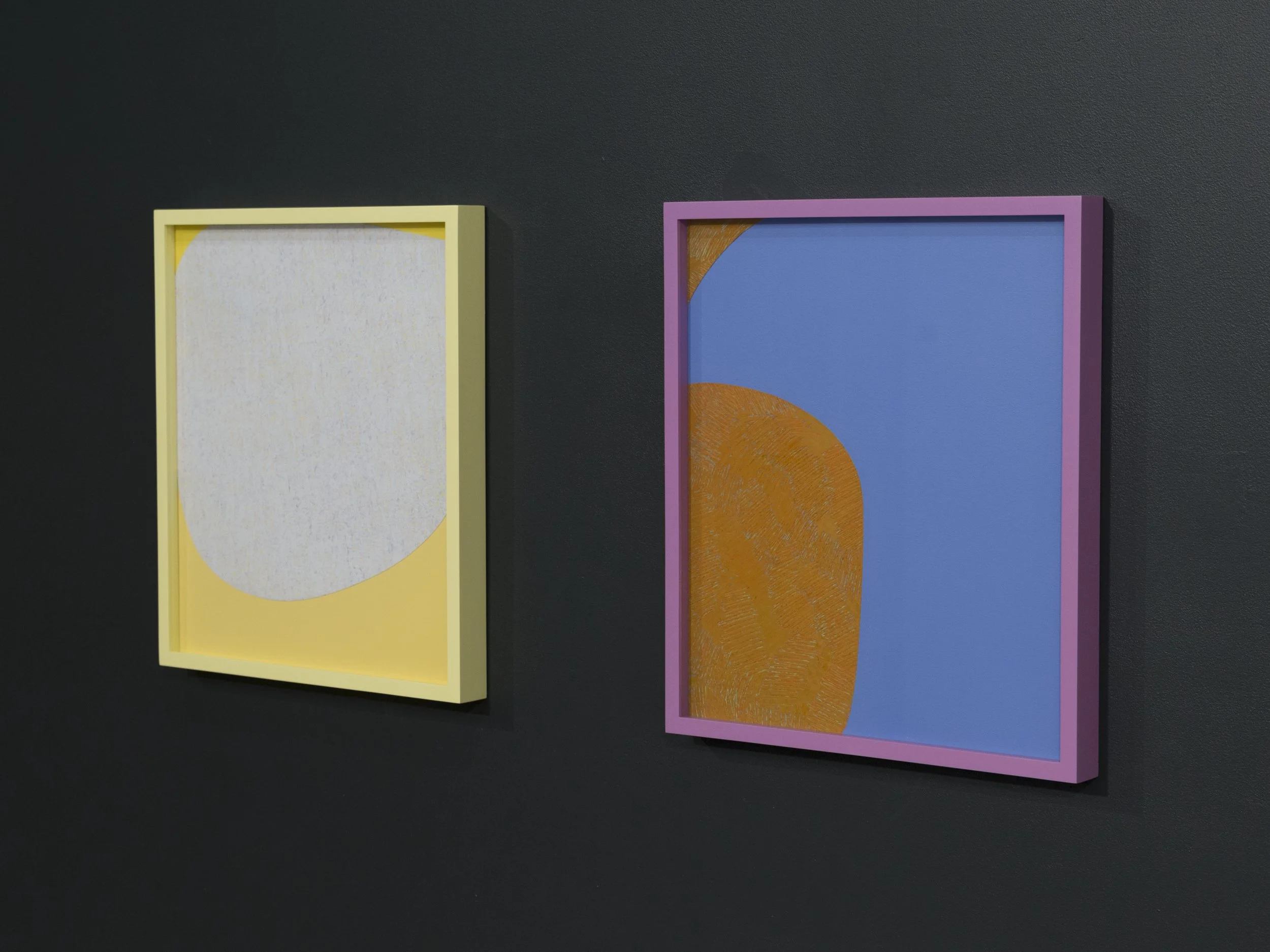
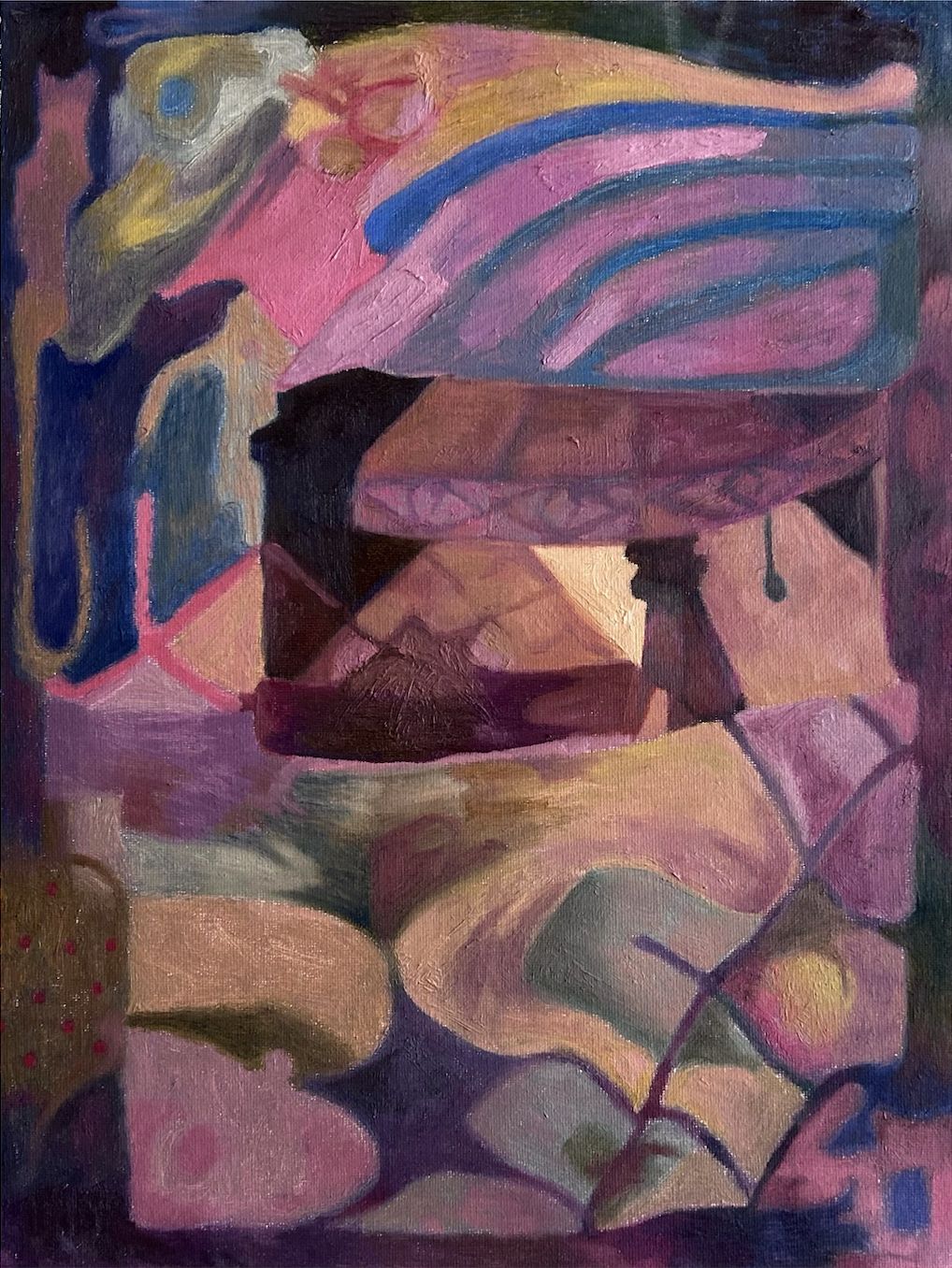
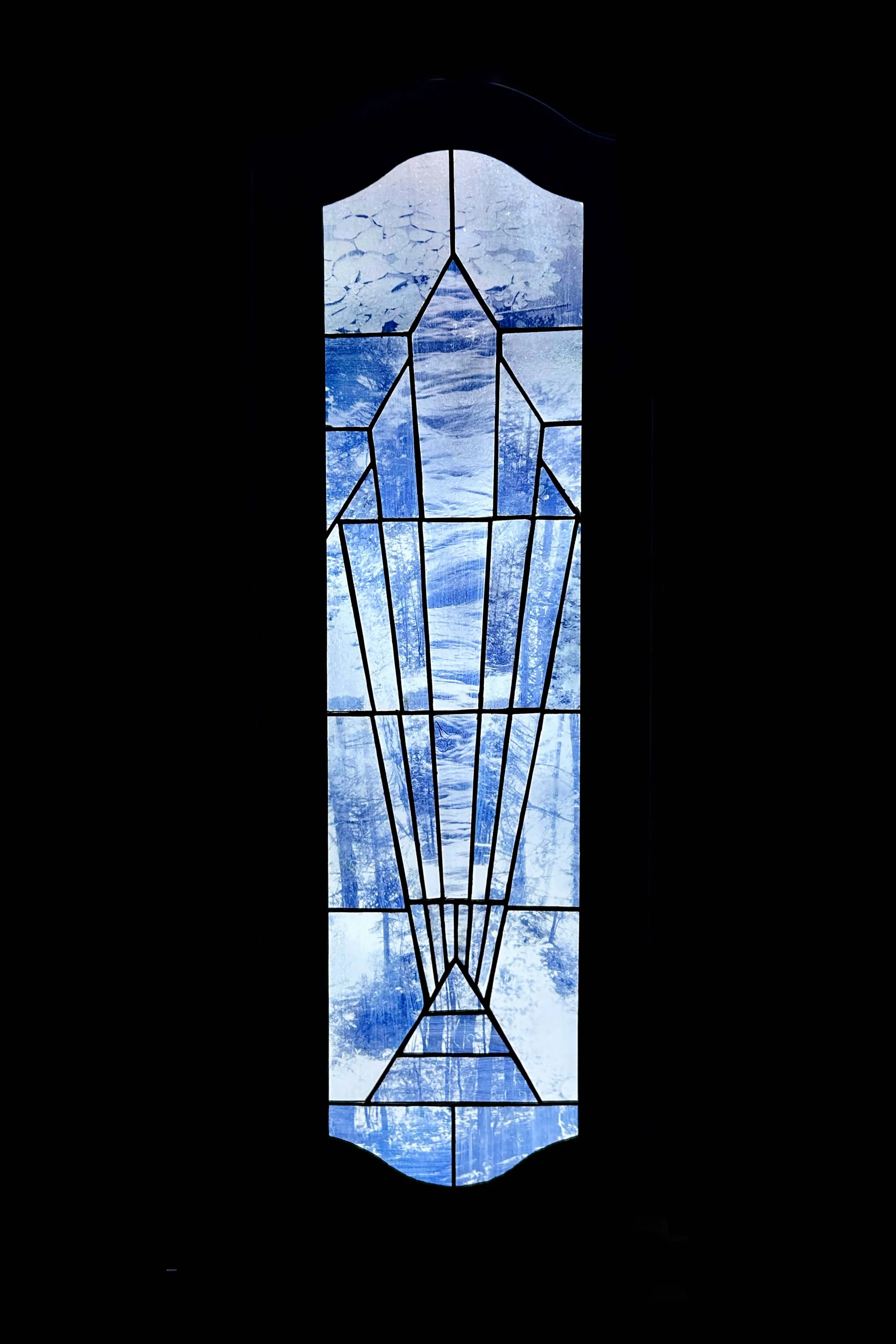
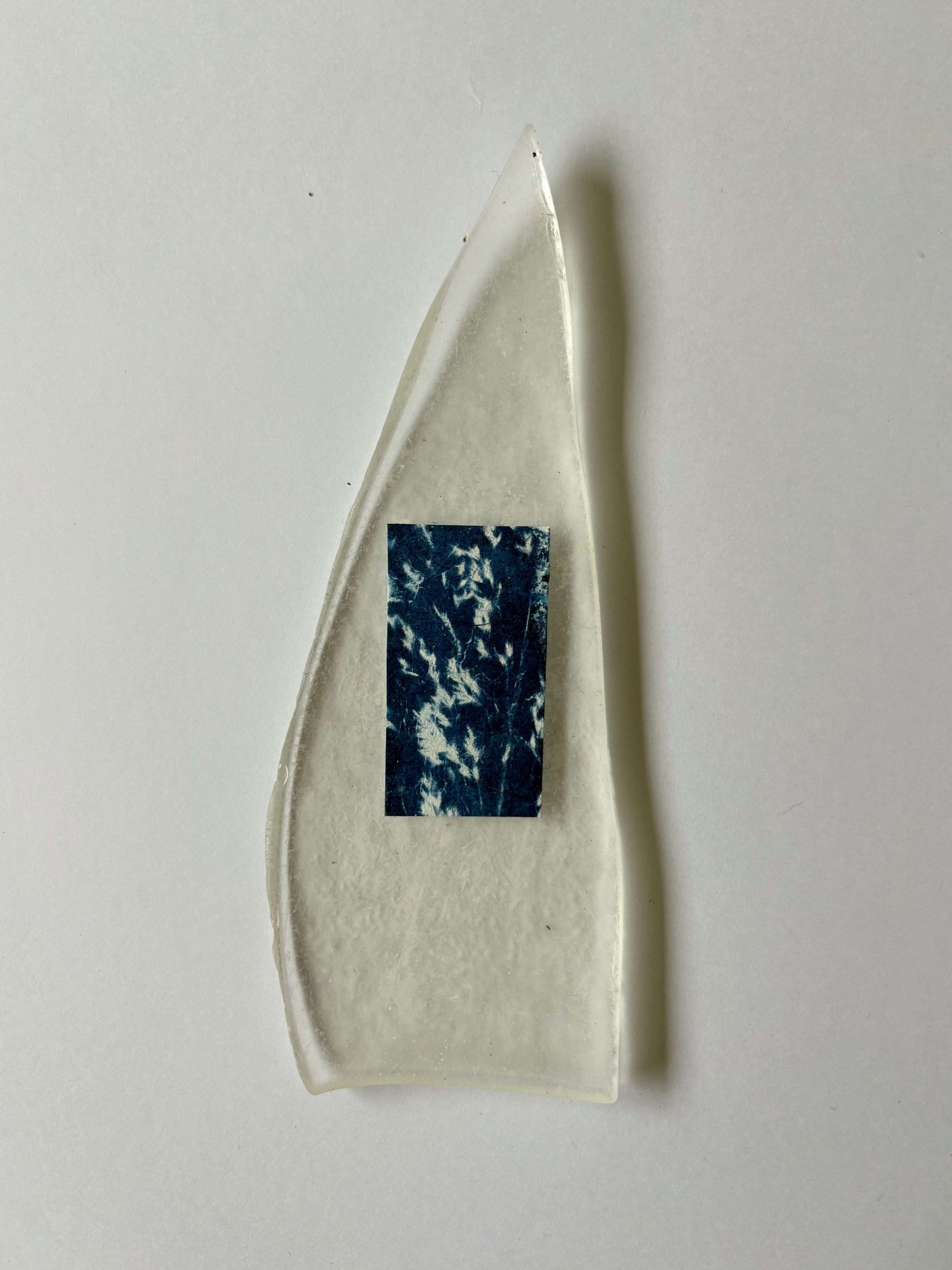
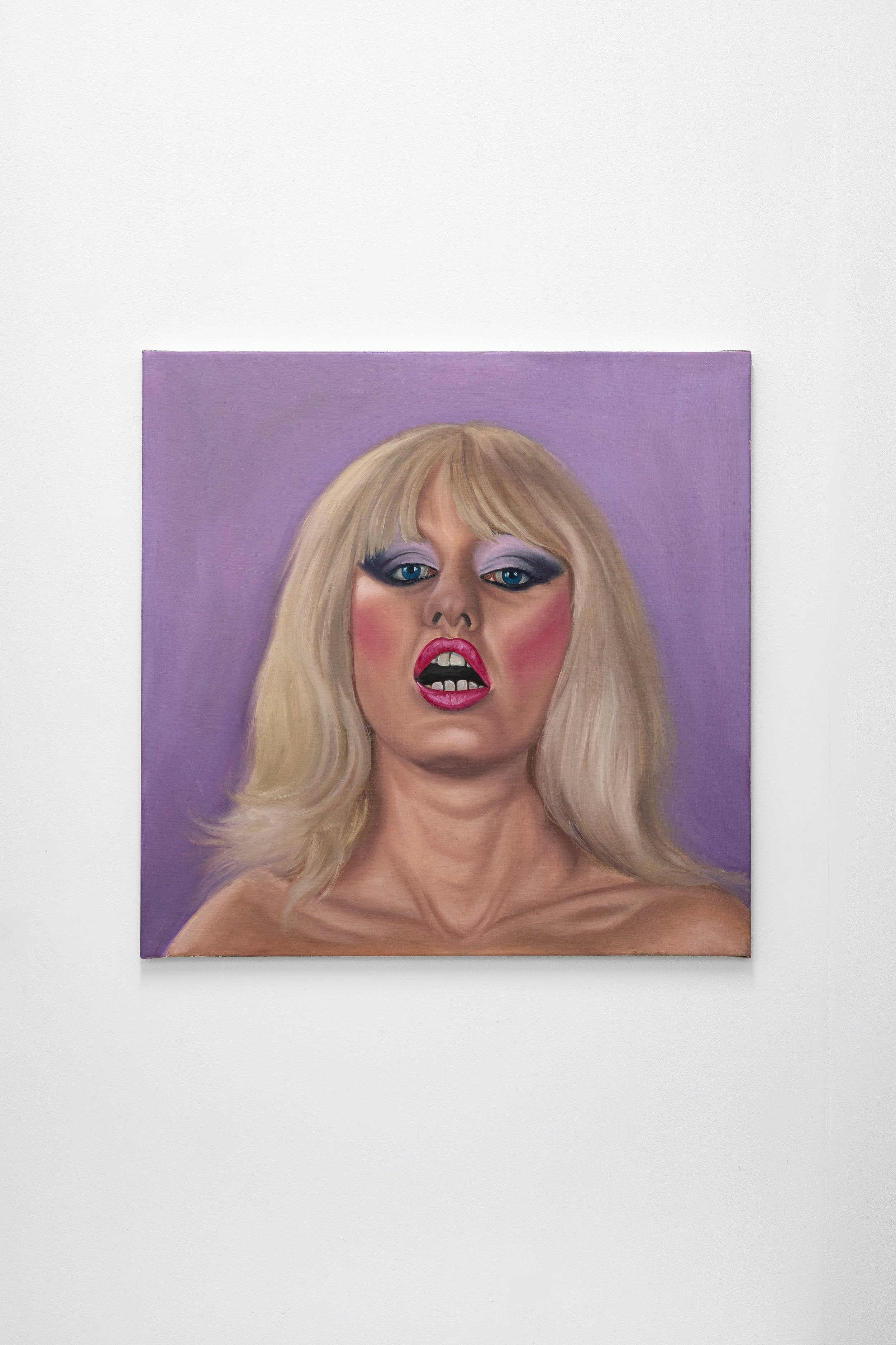
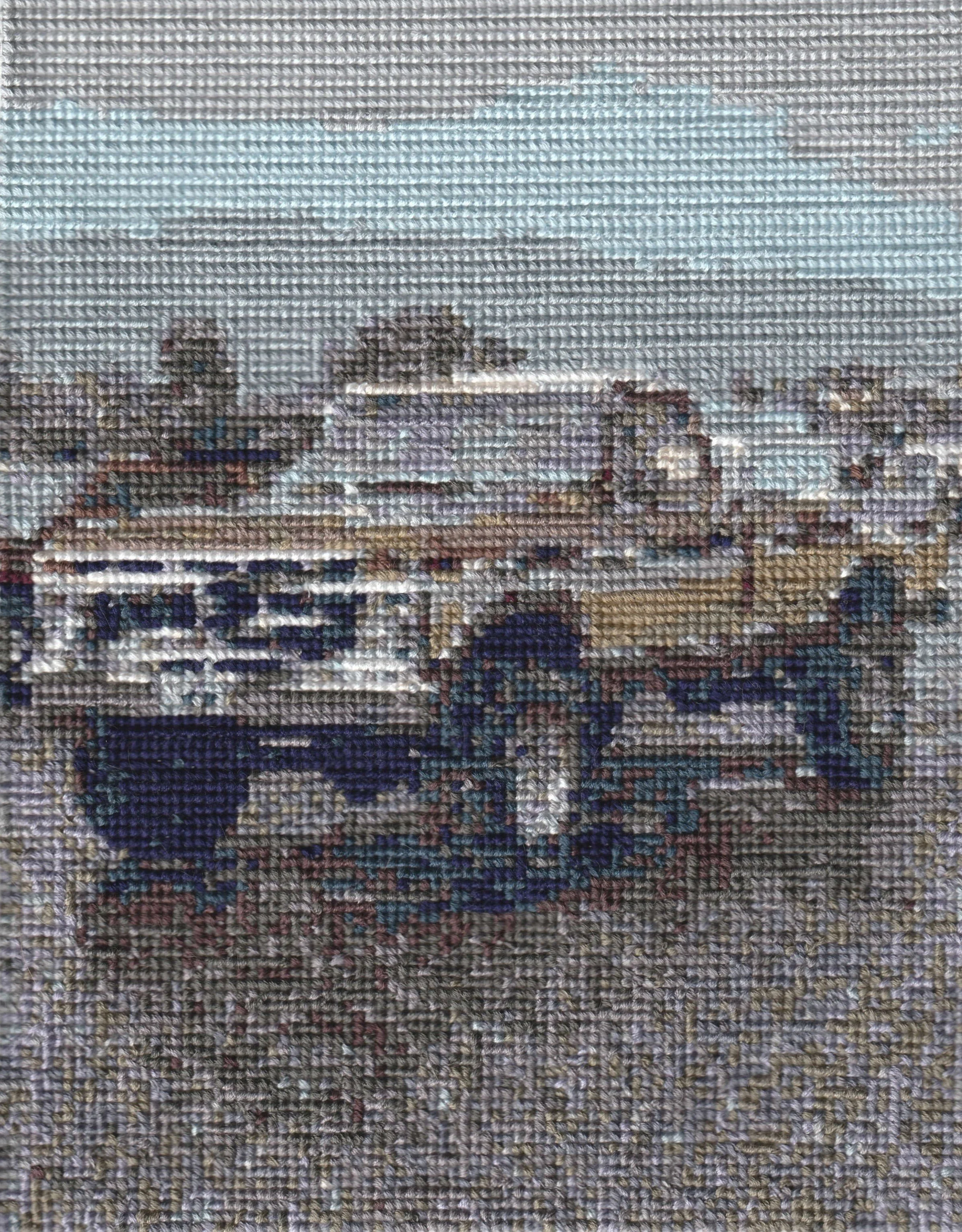
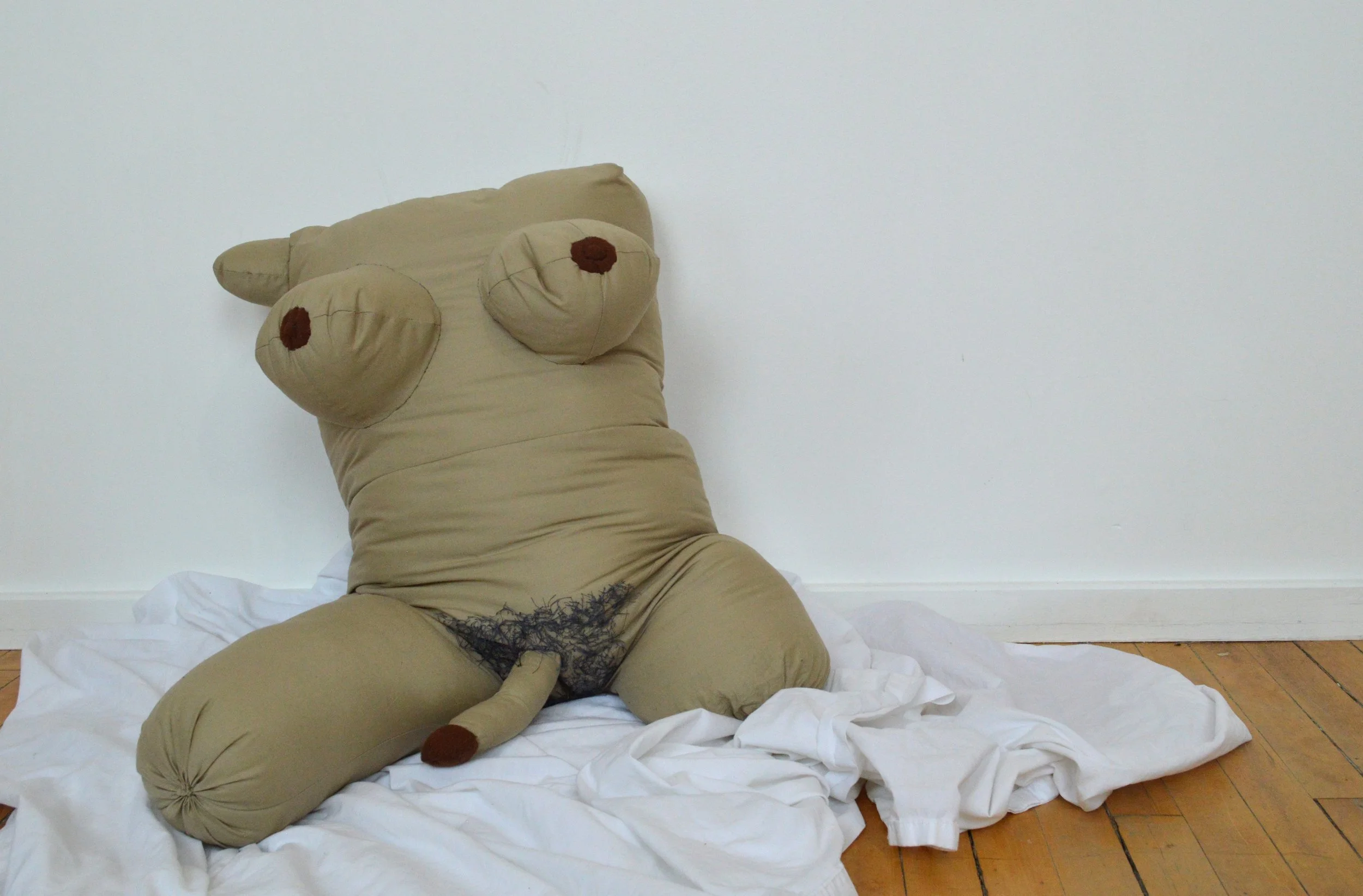
Our second collection highlights emerging artists currently based in Winnipeg, a city at the heart of the Canadian Prairies whose identity has been continually shaped by its layered history. This complexity is reflected in the artists’ practices, which approach memory as a living, evolving process—one that transforms as it lingers and connects as it blurs the boundaries between past, present, and future.
Originally a vital trading centre for Indigenous peoples and the birthplace of the Métis Nation, Winnipeg later became known in colonial narratives as the Gateway to the West. These parallel and at times conflicting histories continue to inform the city today, energizing a growing cultural community grounded in resilience, exchange, and connection.
The thirteen artists featured in this collection explore ideas of memory and transformation, tracing the weight of time while embracing the generative possibilities of connection. Together, their practices reveal how memory is attached to objects, landscapes, bodies, and acts of communication.
Adelle Rawluk, Tobin Rowland, and Madelyn Gowler examine how memory is carried through domestic objects and familiar materials. Rawluk incorporates found objects into oil paintings rooted in rural iconography, creating quiet intersections between place and remembrance. Rowland memorializes images of household tchotchkes, elevating them into emotionally charged stand-ins for human presence. Gowler similarly draws on domestic materials through film, photography, and textiles, using nostalgia to explore transformation as both an act of care and a source of disruption.
Bronwyn Lutz-Greenhow and Savana Sirtonski consider the close relationship between place and memory. Lutz-Greenhow draws on landscape and poetry to narrate personal experiences, keeping them deliberately open-ended so viewers can enter and project their own meanings. Sirtonski presents abstracted moments that reflect how environments imprint themselves on us, tracing a cyclical negotiation between past, present, and anticipatory grief.
Brody McQueen, Mackenzie Anderson Linklater, and Sapphire Moon Moroz draw from personal and cultural histories, using materiality to communicate meaning and presence. McQueen’s photo-based practice experiments with historical processes to explore queerness, community, and sacred spaces. Anderson Linklater foregrounds the natural state of materials while focusing on familial narratives and the importance of intergenerational storytelling. Moroz, an unconventional portraitist, creates interactive works that invite viewer participation, fostering intimacy and positioning audiences as witnesses to the stories of her female ancestors.
Ashkan Nejad Ebrahimi seeks a bodily connection with viewers through a practice rooted in automatism and mark-making. His works unfold through progressive gestures that trace how the subconscious communicates through the nervous system. Caroline Mousseau’s work develops with a similar sensitivity, as subtle shifts in colour accumulate to create connection and dissolve distinctions between artist and viewer, past and present. In these works, Mousseau’s presence is captured in each mark, leaving a visual trail for viewers to follow across the canvas.
Where Nejad Ebrahimi and Mousseau trace presence through gesture, Gabby Gatbonton engages the body itself as a site of connection and transformation, focusing on inner reflection and lived experience. Working with painting and textiles, she invites viewers to consider the fluid nature of selfhood and the tensions that emerge within these fragile states.
Erica Eyres explores similar tensions, drawing from personal history, as her work navigates the shifting and selective nature of memory. With an air of melancholy Eyres confronts the desire to be both seen and unseen, depicting scenes of desire with absurdity and humour. Ela Wasney is also inspired by ideas of visibility and concealment, finding inspiration in roadside signage and her working-class upbringing. By isolating fragments of text, Wasney highlights how they function as covert means of communication, reflecting identity, personal histories, and forging connections.
Together, these artists invite viewers to explore how memory is carried, reshaped, and shared.
Discover the stories of the thirteen artists in The Winnipeg Collection below.
-
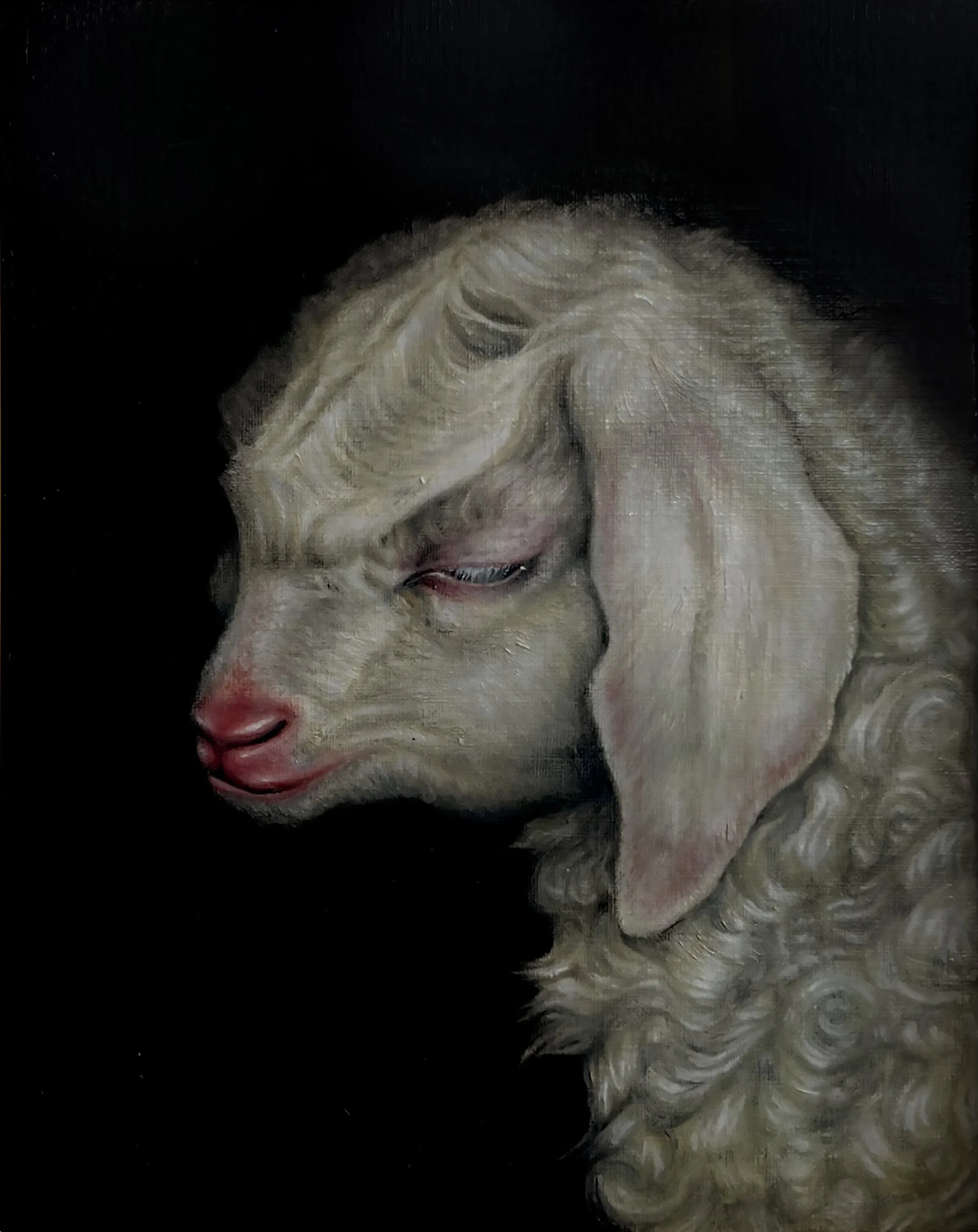
Adelle Rawluk
-
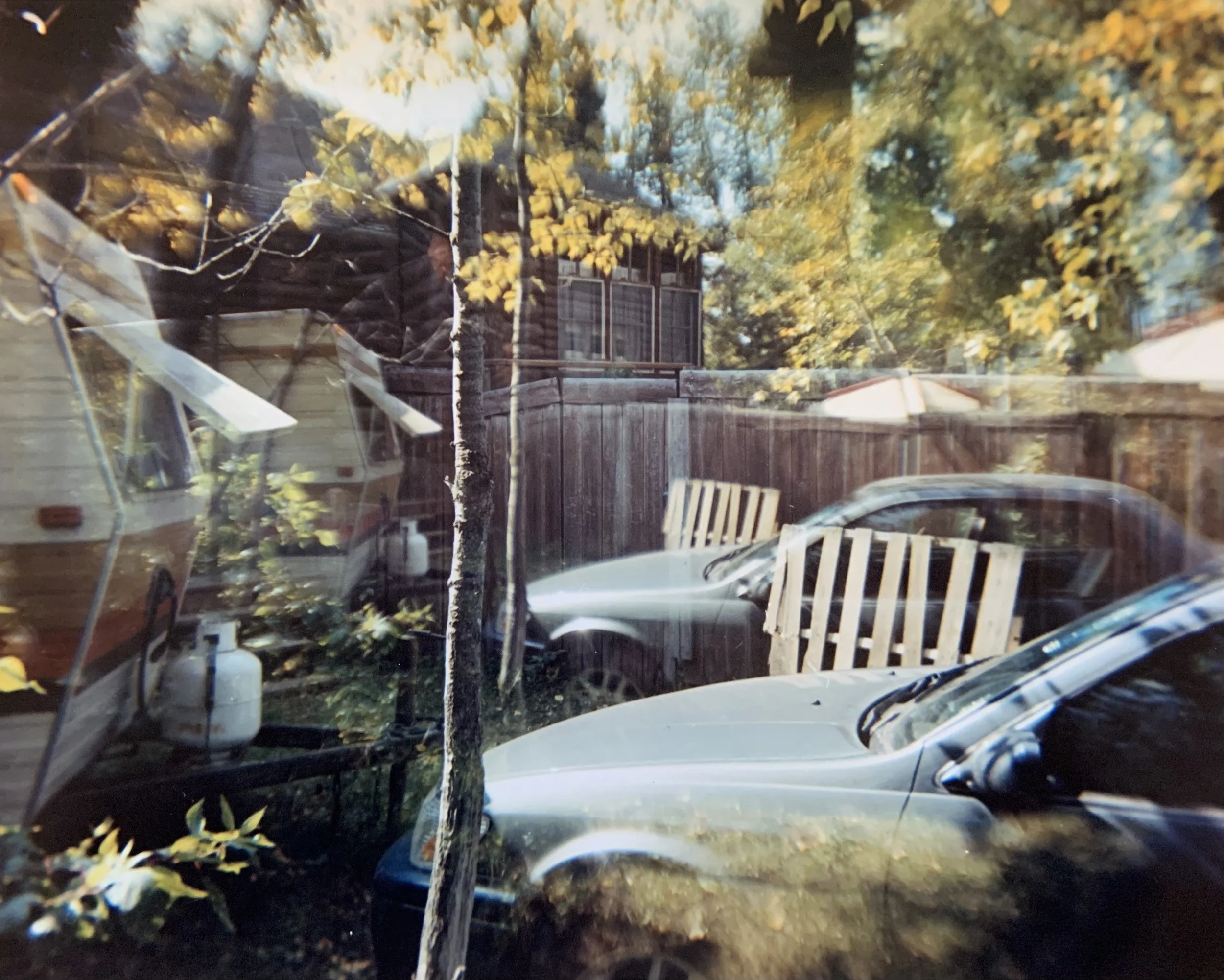
Madelyn Gowler
-

Ashkan Nejad Ebrahimi
-
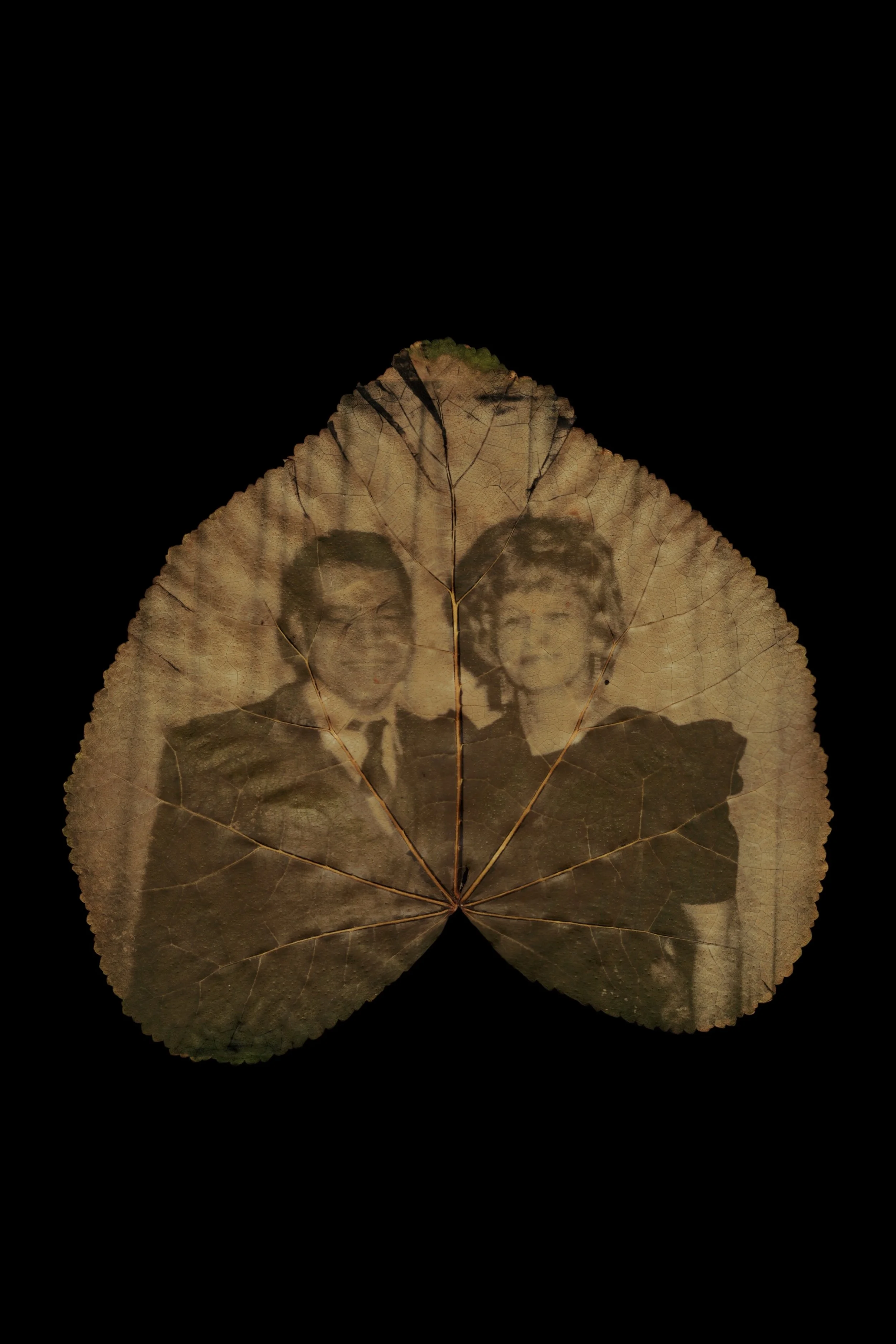
Brody McQueen
-
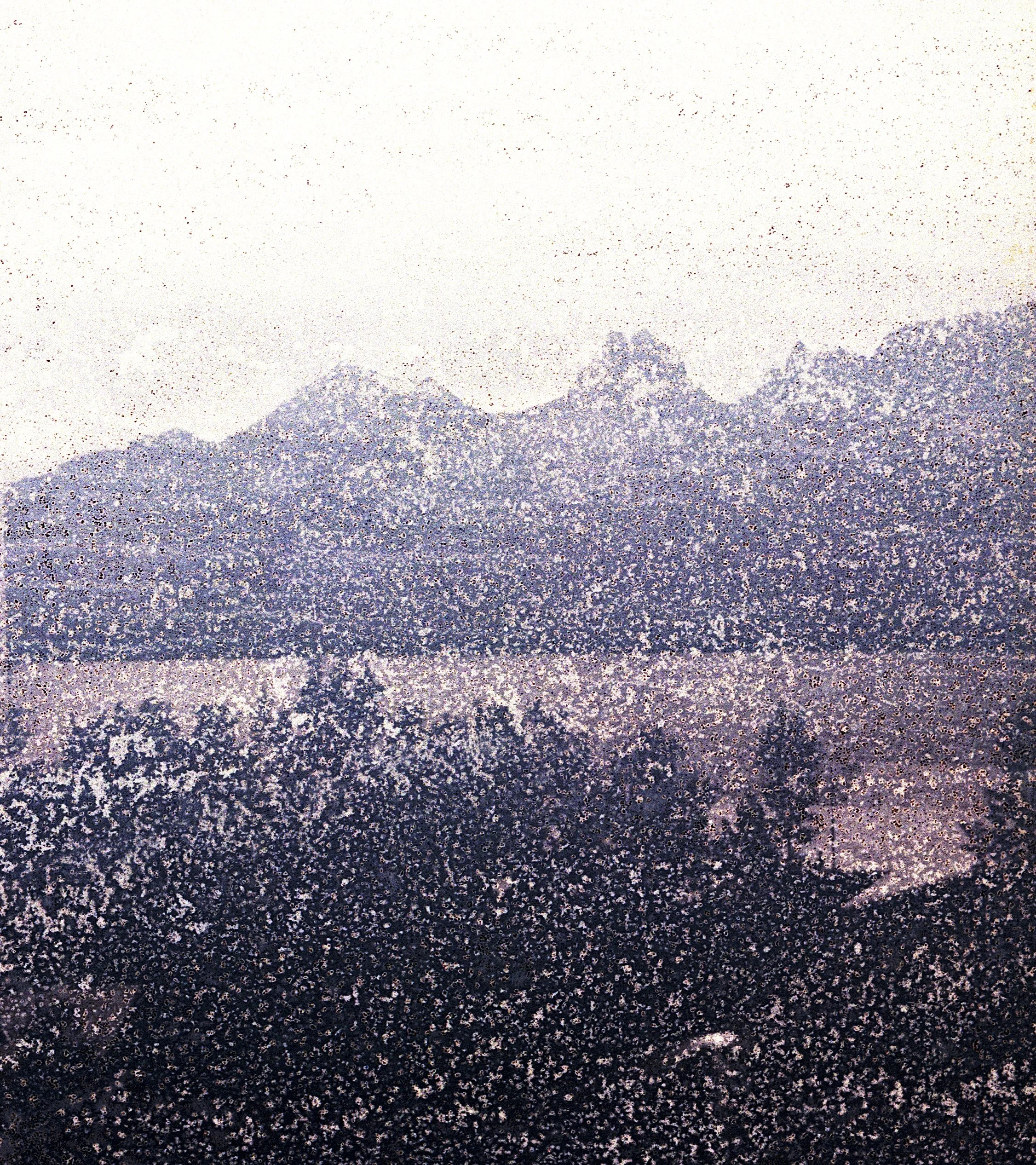
Bronwyn Lutz-Greenhow
-
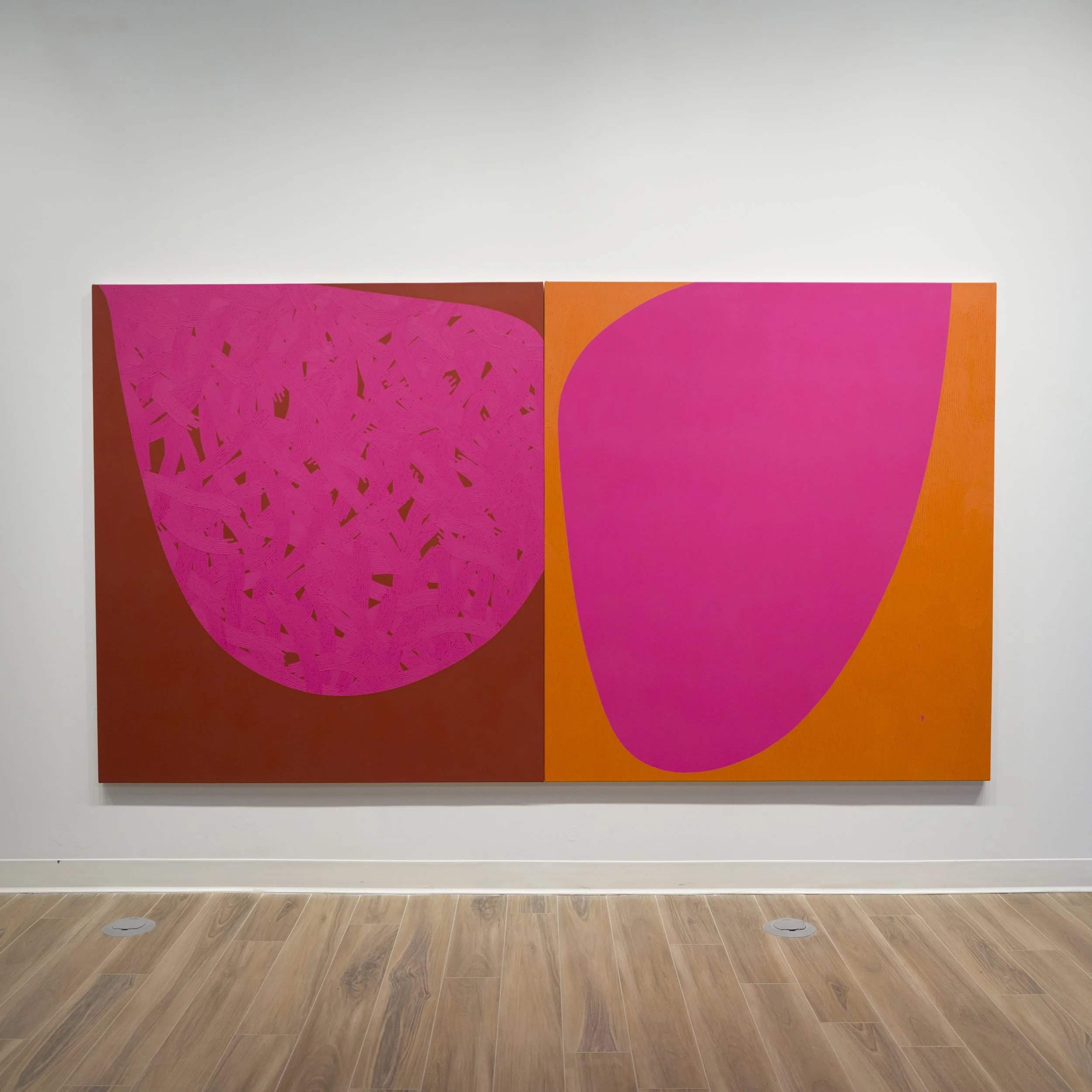
Caroline Mousseau
-
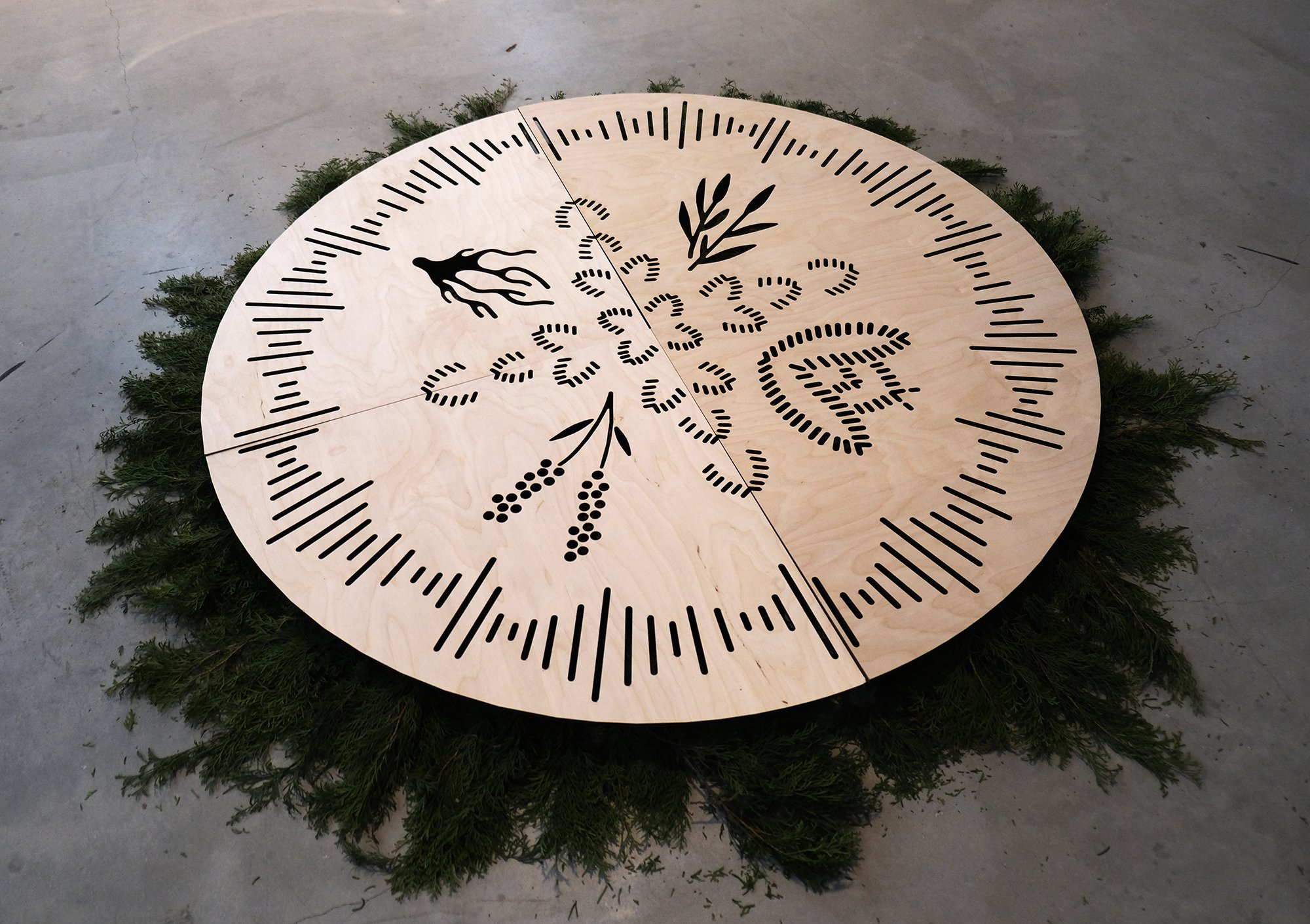
Mackenzie Anderson Linklater
-
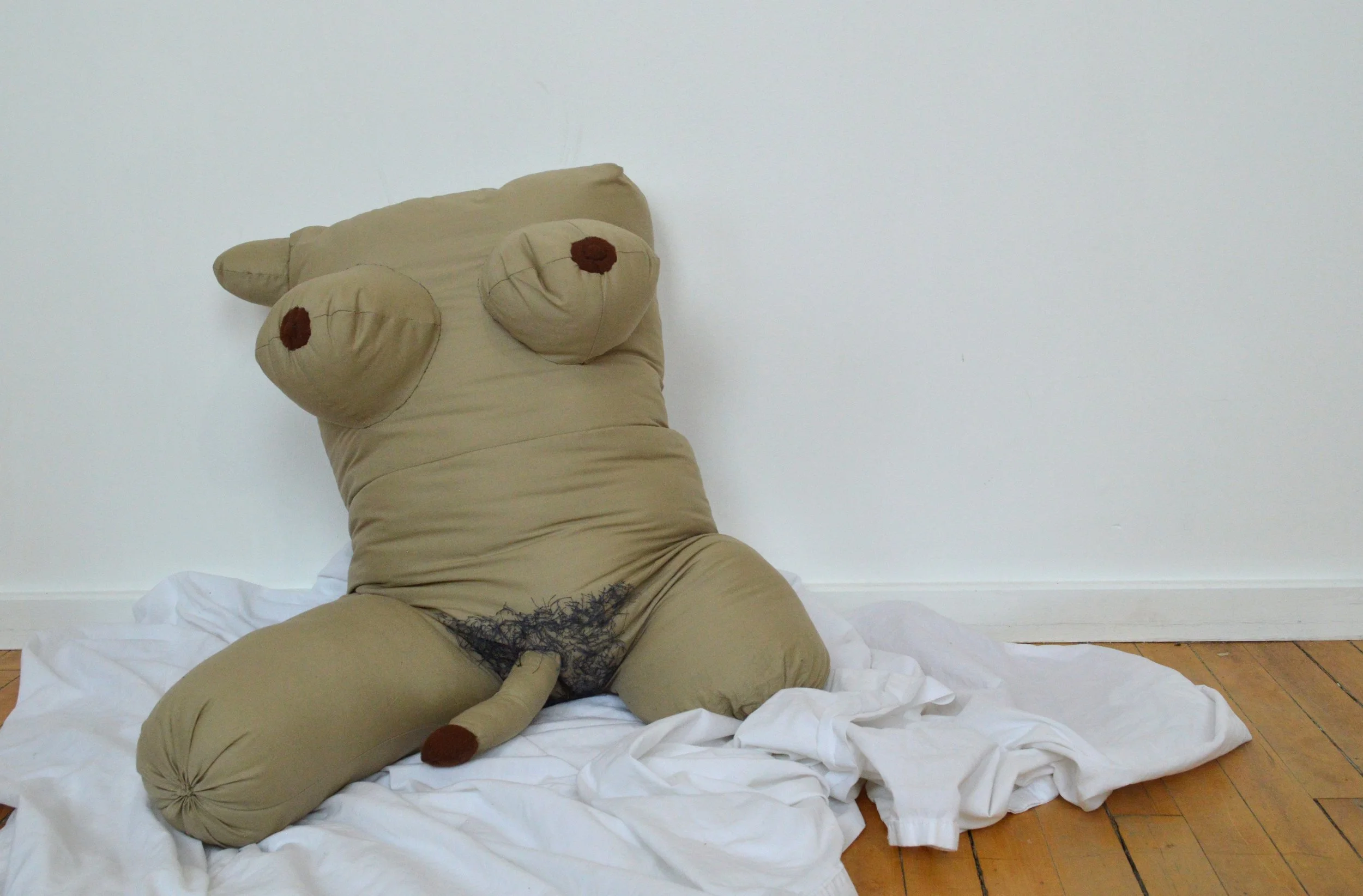
Gabby Gatbonton
-
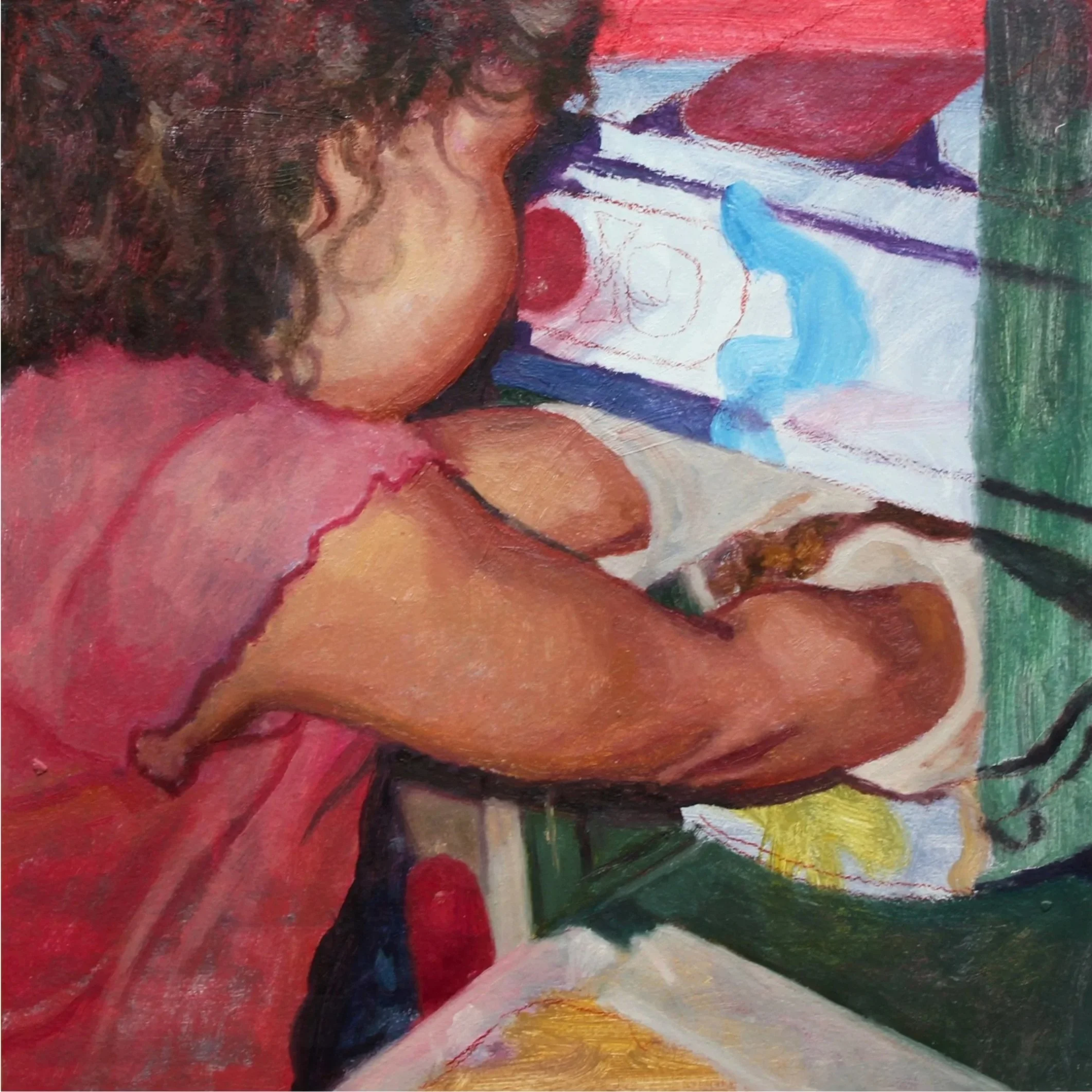
Savana Sirtonski
-

Sapphire Moon Moroz
-
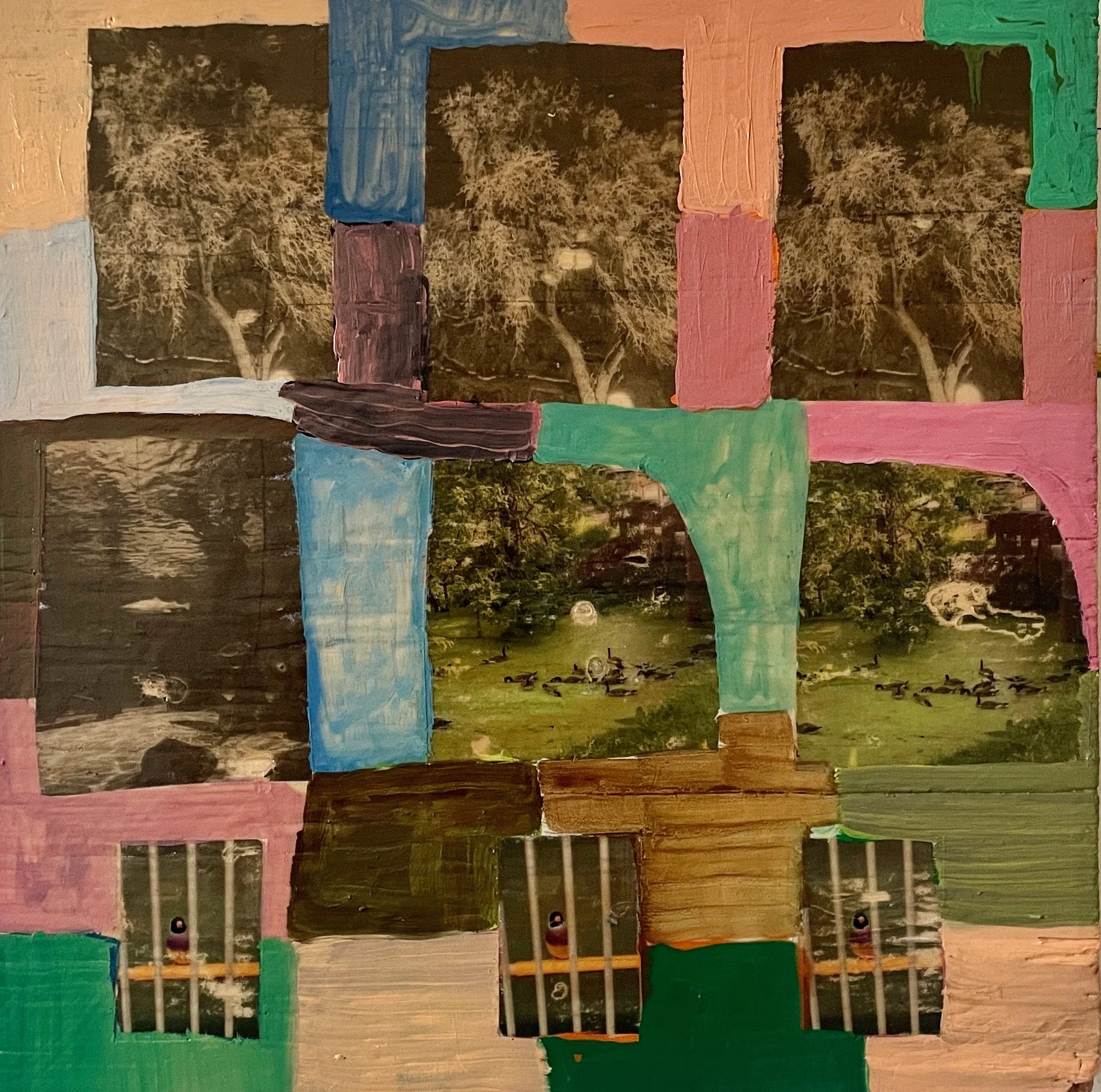
Tobin Rowland
-
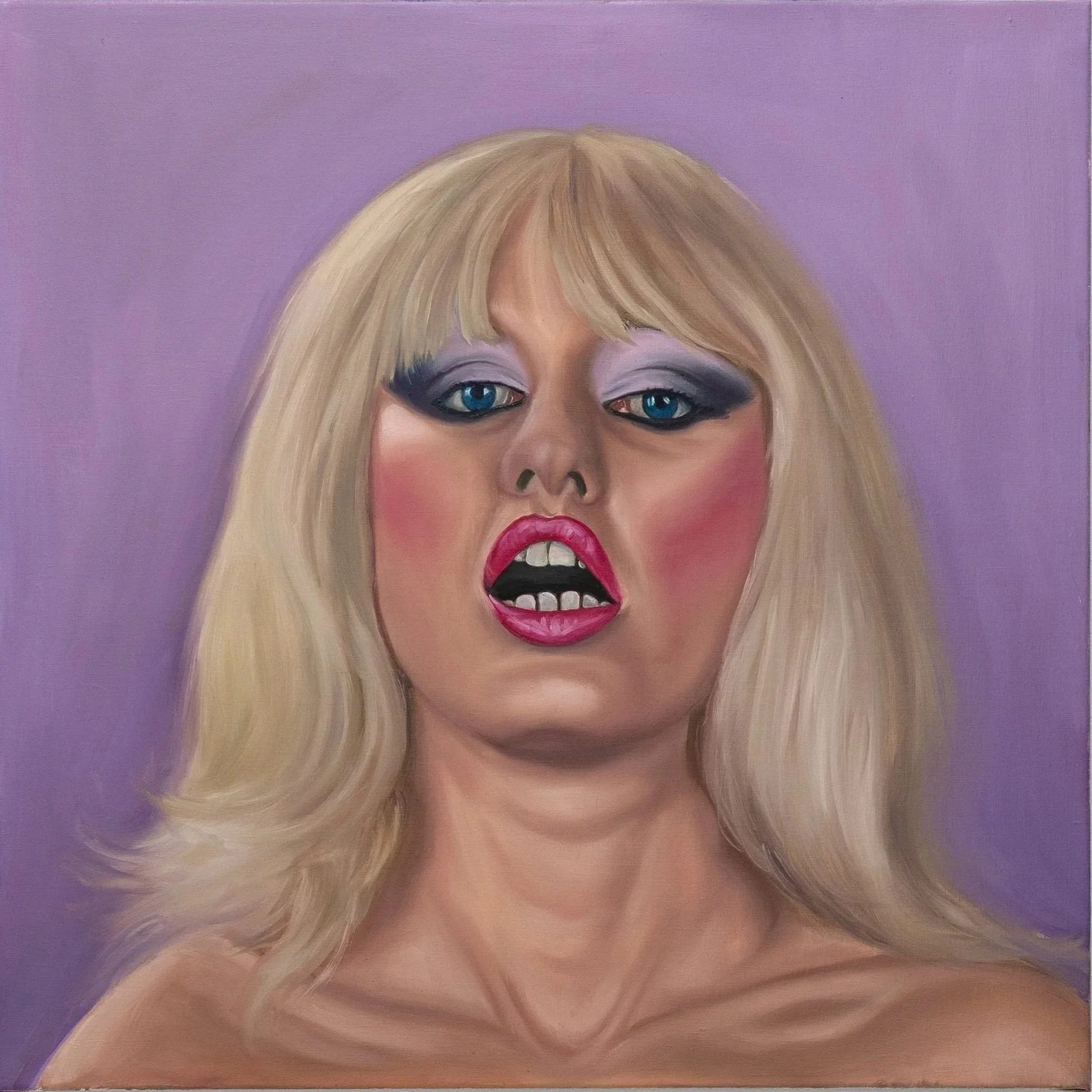
Erica Eyres
-
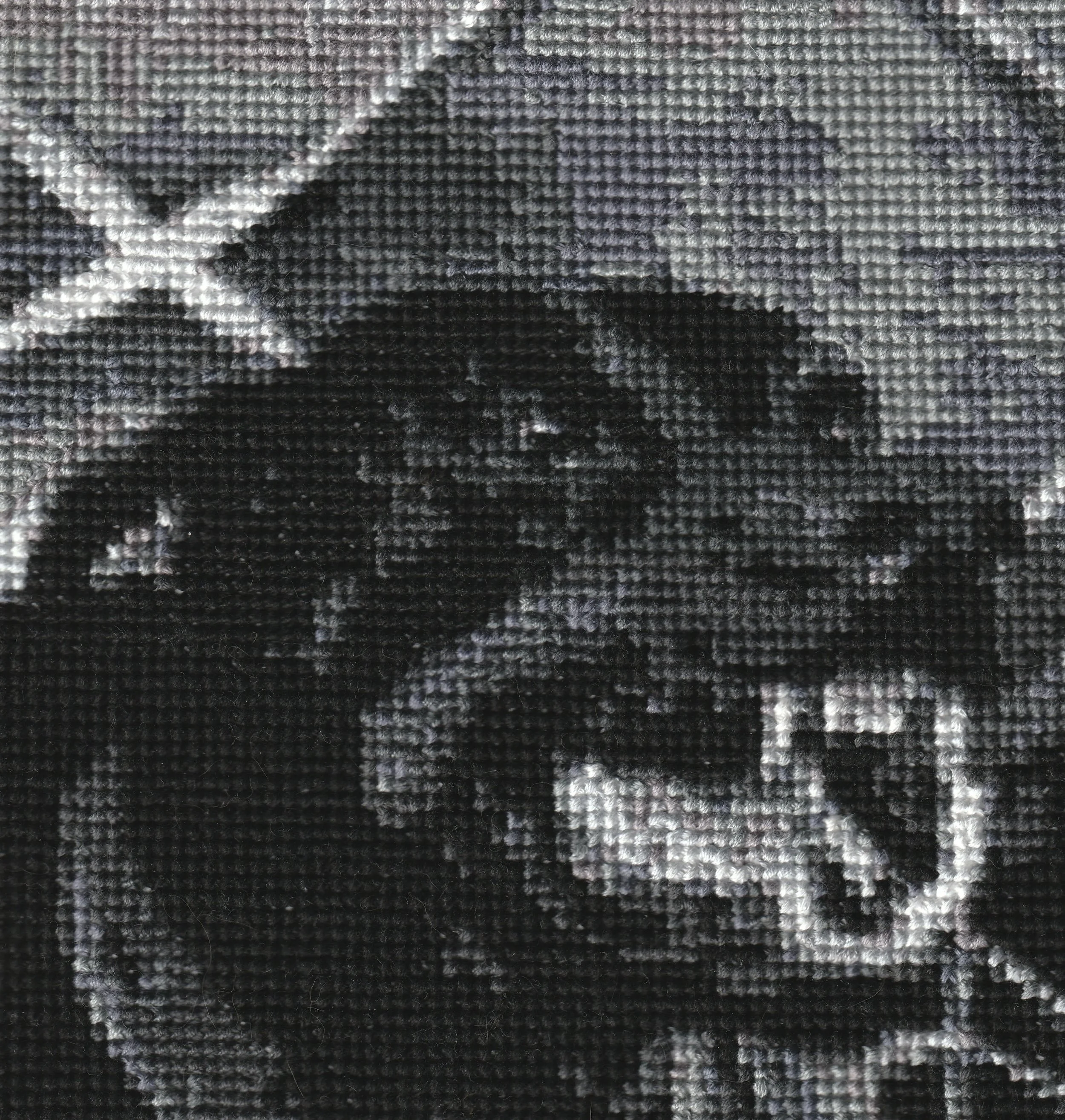
Ela Wasney