
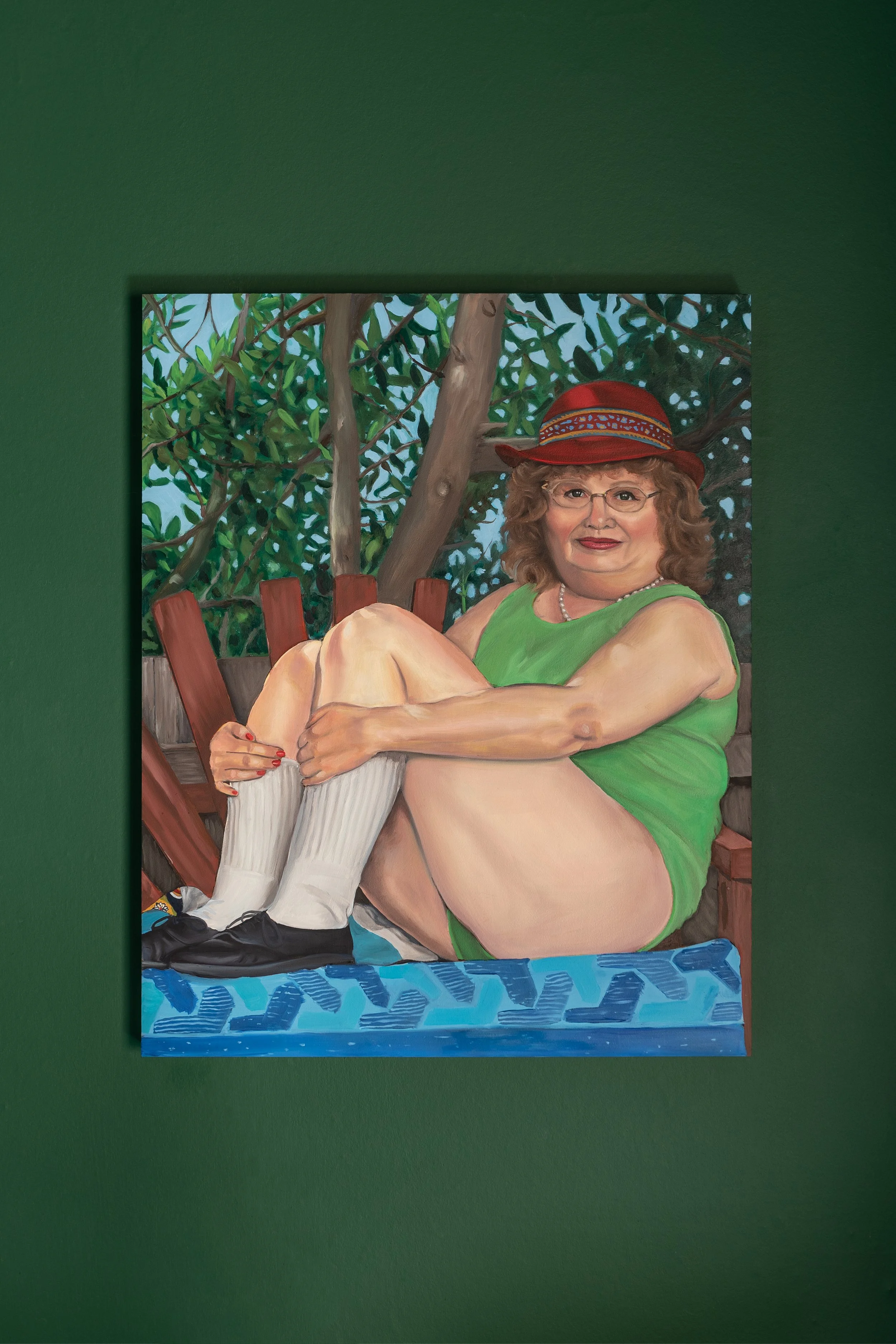
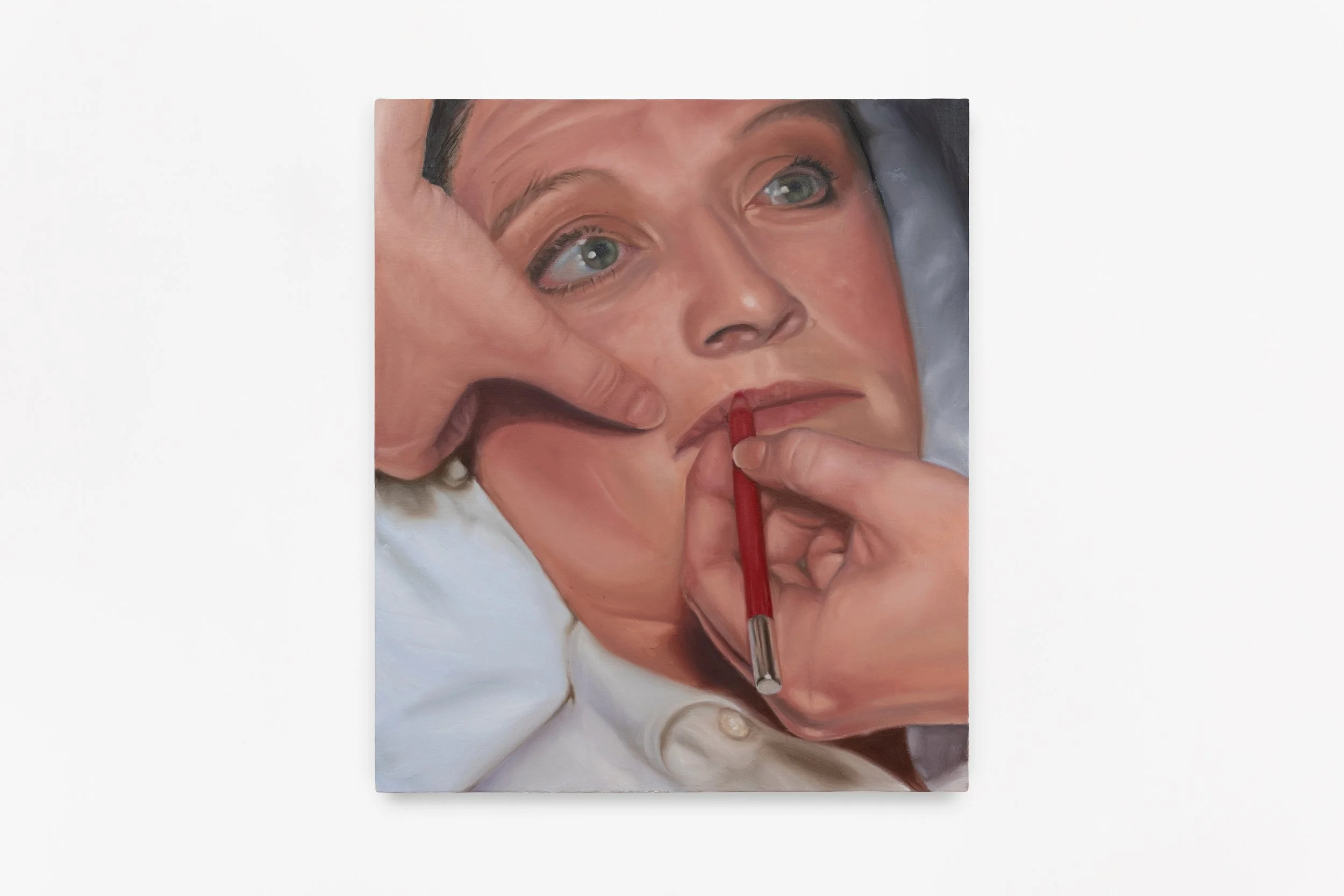
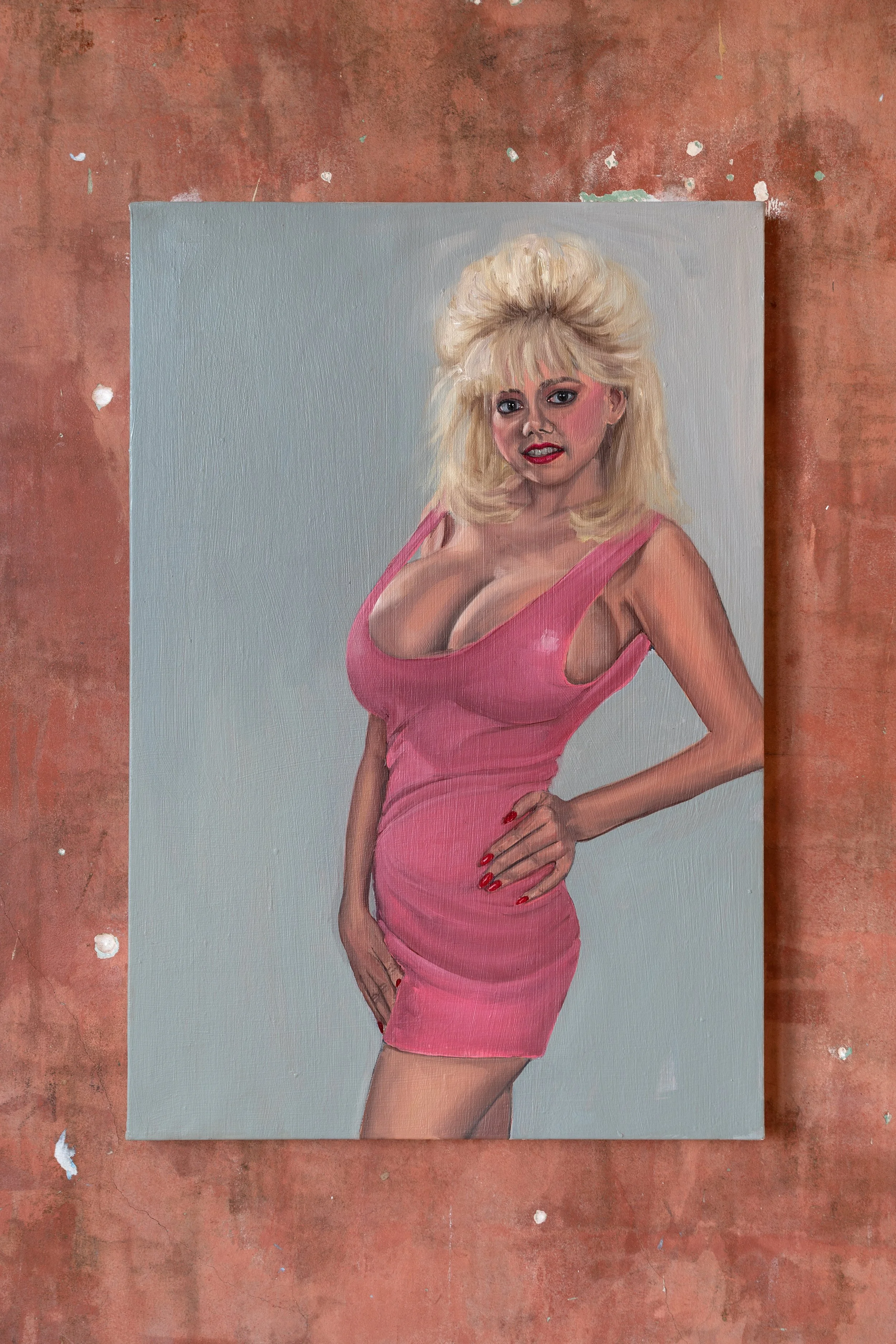
THE INTERVIEW
Erica Eyres
1. Could you share a bit about your background and what led you to start your art practice?
Well, I just always made art. I don't know if there was anything really before that. I think I just started when I was really young, and then I even started art school really young. I was only seventeen at the time; and then I moved to Glasgow when I was twenty-one to do my master's—which to me seems really young now—but I’ve just been here since then.
I don't think I ever saw any other option really; you know what I mean? I suppose it's different doing paid work, but I just can't really imagine a scenario where I don't make art.
2. What themes does your work explore?
I guess humor is a big part of my work, but usually combining that with something—other emotions—and offsetting it with things like sadness or melancholy.
I suppose at some point this idea of mourning or death came into it. I wouldn't say that it's still that focused on that, but it's probably always there. Even the objects—I remember this sculpture somebody described as being corpse-like—so I think that is always there.
There's a lot of themes around the body and the discomfort that people feel in a body. I suppose the duality of wanting to be seen, but then also feeling like you need to hide from being seen—and the tension that creates.
3. How has your work evolved over the years and what has influenced those changes?
I don't know where to begin with that, because I feel like every time you have a new big experience—say, just moving here changed me a lot, you know—doing the MFA changed my work, even graduating from it.
I remember at one point really consciously thinking, ‘Oh, I want to change my work now—to be in it still and for it to be about me, but to remove myself in some way.’ I think at that point I felt like it was all much more autobiographical and personal. It's still personal, but I think I sort of stepped out of it a bit—to a degree.
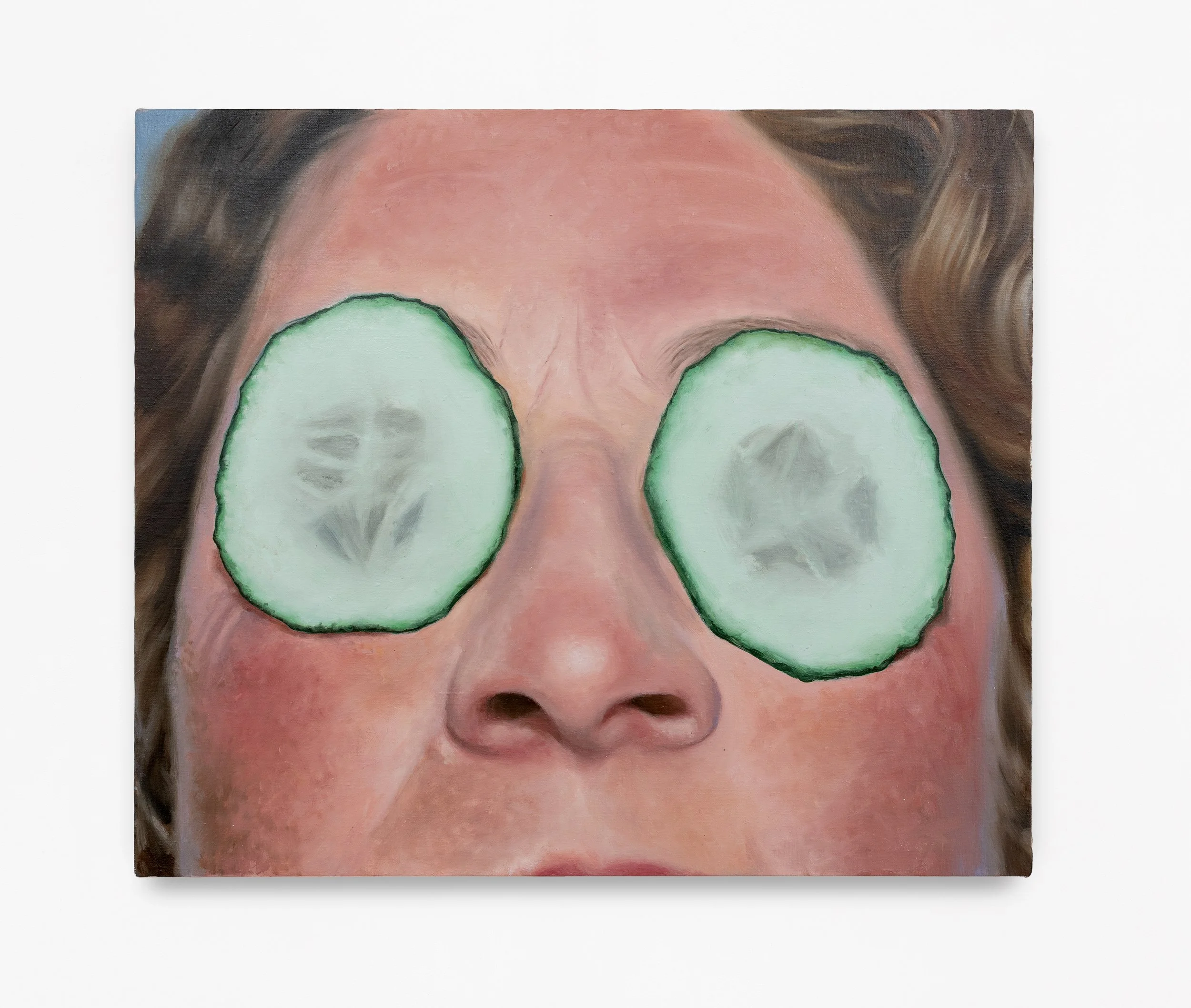
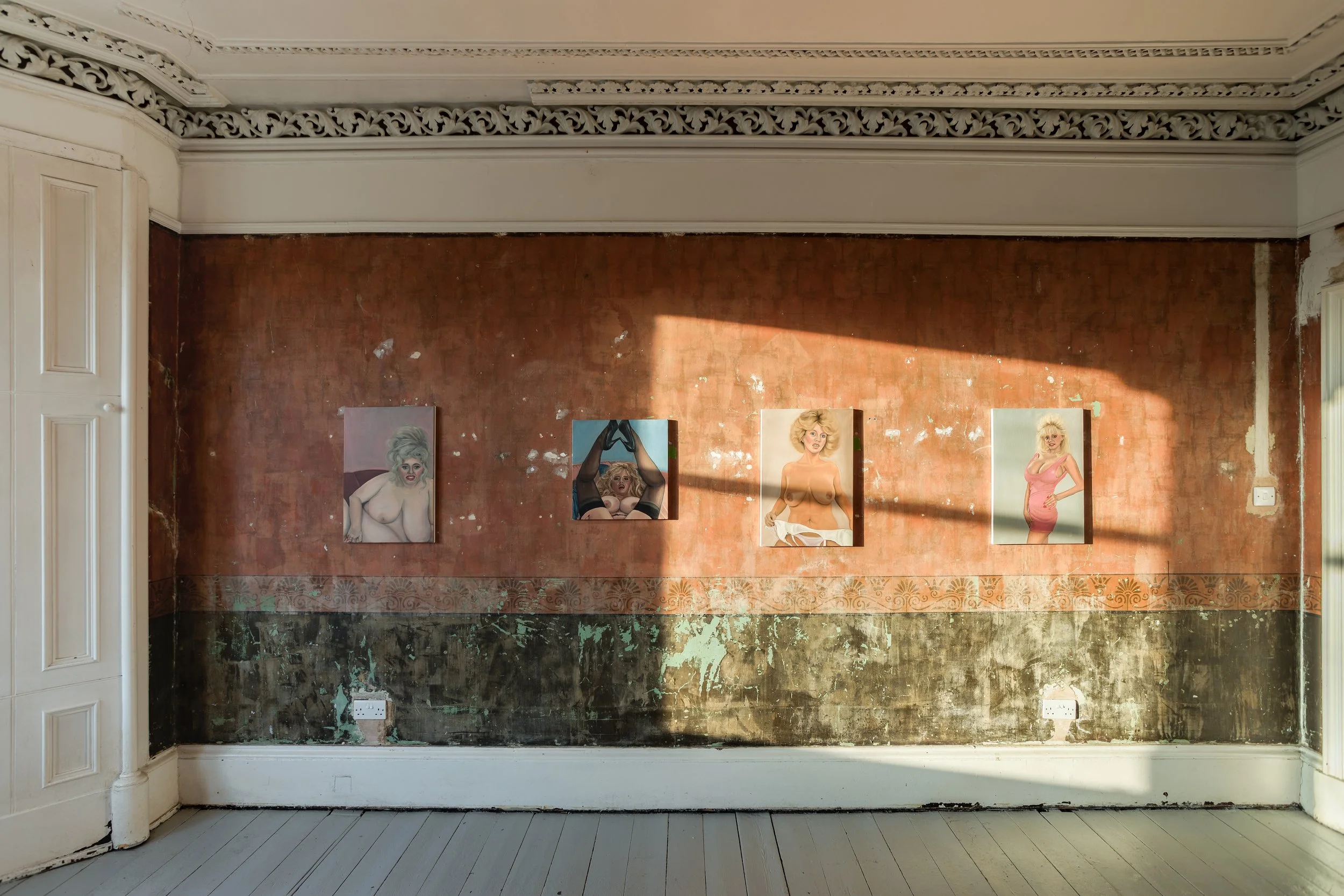
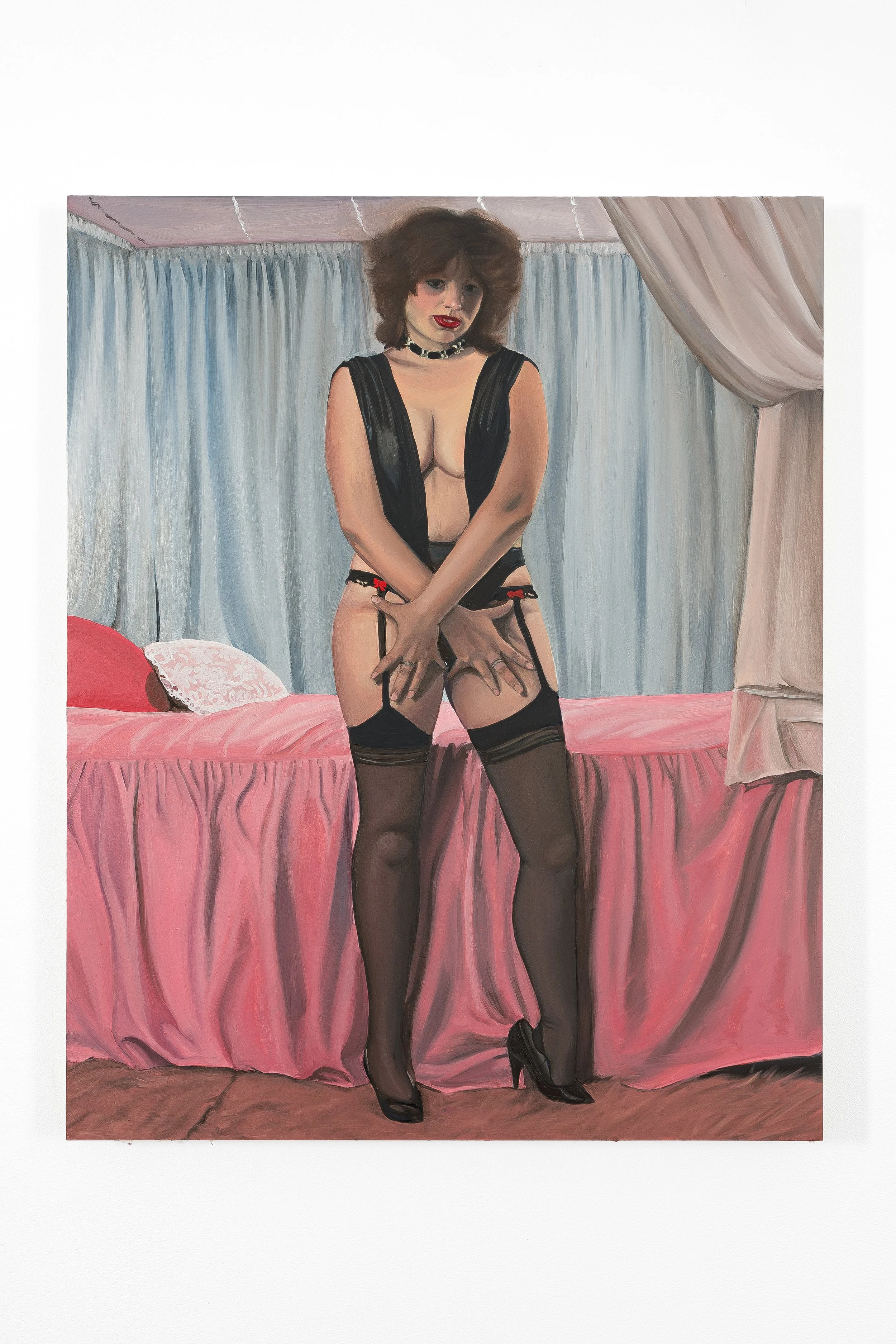
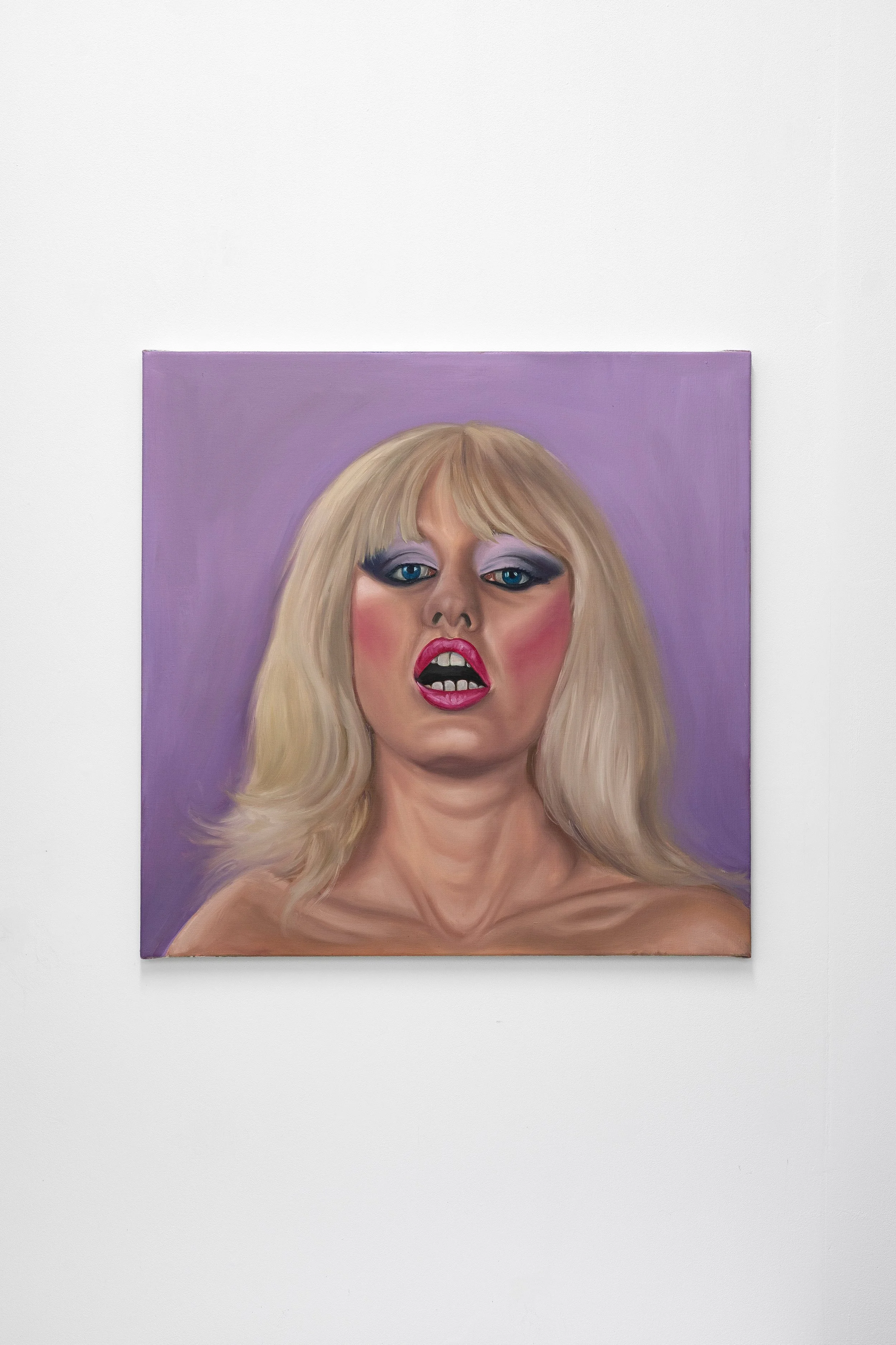
It's so hard to say, because I do feel like you just sort of go through these phases sometimes. Even just changing the medium has changed it. For example, during COVID I started painting, and I think just introducing that changed things a lot—it let me work with colour in a different way and work with different types of images. When I was doing my PhD, that had a big impact too, because at that point I made a lot more videos and things were more centred around that research.
I guess I'd say it just goes through all these different phases, and there probably is something that unifies it. I mean, I feel like they all still look like my work, but there's just these different stages.
I suppose it's easier to mark a beginning and an end when it's to do with a programme you're doing—like an MFA or a PhD—but then I think there are also just phases of life that change it, you know.
Q: What mediums were you doing before COVID?
I think at that point I was doing more drawing—and I still draw, but not as much. I suppose the painting just kind of evolved out of drawing; in a way, everything evolves out of drawing. I guess that that's the thing I have done the longest, so in a way I approach everything similarly to drawing.
I was doing ceramics still at that point, and maybe doing more videos at one stage. Sometimes things like that come and go—I'll have a phase of doing a lot of one thing, and then maybe take a break and focus on something else.
4. What is the biggest source of inspiration for your work?
It's really just the things I find, I guess. So whether that's found images or objects—sometimes I'm not even looking, but something presents itself; other times, I guess I am looking for something new. I guess you just feel like it's time to change, or you get bored of something and it's time to introduce something new, so I will just start looking for new things.
Sometimes it's also going back into old material, or things that I've had for a long time—that I didn't know what to do with at one point.
5. What is the most challenging stage of the creative process for you and why?
I think there's always—I don't know if this is true of everybody, but I would say especially with painting—there's always this awkward stage in the middle, where you really start questioning it and thinking, ‘Why am I doing this? This isn't good.’ I think it kind of has to go through that to get to something, and sometimes the awkward stages may be more interesting. It just feels uncomfortable, and you're debating in your own mind, ‘Do I keep going or do I stop?’ So I suppose that's the most difficult.
But then again, sometimes I would even say the stage after you hang an exhibition is really difficult, because I think there's so much that goes into the planning—and you're getting yourself excited without even realizing it. There's this kind of build-up that happens, and there's only one place to go from there. Once it opens, it's kind of anticlimactic, and I find I've become really critical of everything. I think it's just the calm down that happens from that momentum, and then you just have to take a bit of time out, and let things get back to baseline.
6. What is the project you're most proud of to date?
That's hard for me to say. I think I was quite happy with the show I did in Winnipeg a few years ago at—well, it's called CCAP now; but at the time it was called Blinkers. I suppose because a lot of my work is semi-autobiographical, and I do spend a lot of time thinking about growing up in Winnipeg, the context of that show seemed to make sense to me. There was something about having the work there, in Winnipeg, that I felt good about.
It's hard to say, because I don't really spend that much time in the immediate aftermath. I'll be kind of funny and over-critical about it, but aside from that, I don't know if I spend that much time thinking back on it. I feel like I'm always just trying to move forward, in some way.
Q: How would you say your work relates to memory?
I suppose I spend a lot of time thinking about—I don't know if repressed memory is the right phrase—but just how selective memory is. I feel like there are often quite big patches of missing time or memories, and I almost wish I could go through memory like it was in a closet and just open it up. But there’s no way to do that, and sometimes I feel like it's very inaccessible.
So I guess the found objects and images I work with become a trigger for me to remember something—but also for other people as well. That's kind of a thing that always happens: people always say ‘Oh, this reminds me of this’ or, ‘That looks like so and so to me’ and I enjoy it—but then I also don't,
Sometimes I have mixed feelings about it. I like that aspect of it; I want there to be that kind of space for people to project onto it. But then sometimes it's an odd thing having people feel like ‘Oh, that looks like so and so—it's so obvious’ and I'll be like ‘Well, it's not.’
So yeah, it's complicated. I feel like memory is a big part of it—but it's in this strange, roundabout way.
7. Do you see yourself staying in Glasgow long term or are there other cities that inspire you to work there?
I imagine I'll stay here for a long time, partly just because I've been here for so long, and because I have a job, and I also just literally don't know where else I would go.
Maybe a residency—but if I move back to Canada, it's like, where would I go? I don't know, but I'm happy, and I like it here.
Q: How long have you been in Glasgow?
About twenty years, so it's been a long time, but my mom still lives in Winnipeg, so I still come back once a year and see people.
I do think that it's a strange thing coming back. When I first get there, I always feel like it's a bit claustrophobic, but then at some point it just seems normal, and I'll have a great time and want to stay. But at some point—I don't know if your brain just works with the time you've got there—by the end you're ready to go back. But I think it's good going back, and I think it's important, as an artist, to keep relationships with people.
8. Do you think your practice would look different if you were based in another city?
Yeah, probably. Recently, I started thinking about how I moved here, and there was a very different kind of scene going on at the time. People really looked down on figurative art at that point, because there had been a very strong tradition of it up in the ‘80s, and then there was a whole movement against it that was more about conceptual work or installation and things like that. So I never really felt like I fit in—but then I don't know if it really bothered me at all that much. Maybe at different points, but I just sort of existed, you know.
I think, inevitably, you change studios and it changes your work; so I think everything changes your work, and it would look different in different cities. But then I also don't know how much. In a way, sometimes I think Winnipeg's had a bigger impact on my work—even though I don't live there and I haven't lived there for a long time; but there's something about it that's sort of stayed in me somehow.
Q: How do you think Winnipeg has impacted your work?
I guess it's sort of based on these semi-autobiographical things or memories, but I do think there's a certain sense of humour that Winnipeg has. I do find it quite melancholy there, and I don't know if I'm just projecting my own feelings onto it—or if it's just who I'm with—but I feel like people often do this thing where they'll complain about being there, and not even be there. It’s like ‘Well, you could go—you don't have to stay.’
To me, there's something about it that just has such a different feeling than other cities. The winter is so hard, and all these kind of cliché things, but—I don't know—there is something psychological there that I think has stayed with me.
9. What would you like to accomplish in the next few years?
I never know what to say to that question, because I always just think I’d like to keep doing more of the same—but better.
10. If there's one thing you hope people take away from your work, what would it be?
I don't know, because I don't feel like I can really control what they think or take from it, and I want it to be a bit open-ended, so that they can interpret it how they want. I like it when people think it's funny or humourous, and I also don't mind if they don't, because I think that's part of it too—not everyone wants to engage with that kind of humour, and I think that's fine. I've definitely shown stuff—I guess the videos are more like that—where people would sometimes watch them and just not laugh, and that's fine. It's uncomfortable sometimes, but it's also sort of part of the humor in a weird way, but I don't think I have one thing.