
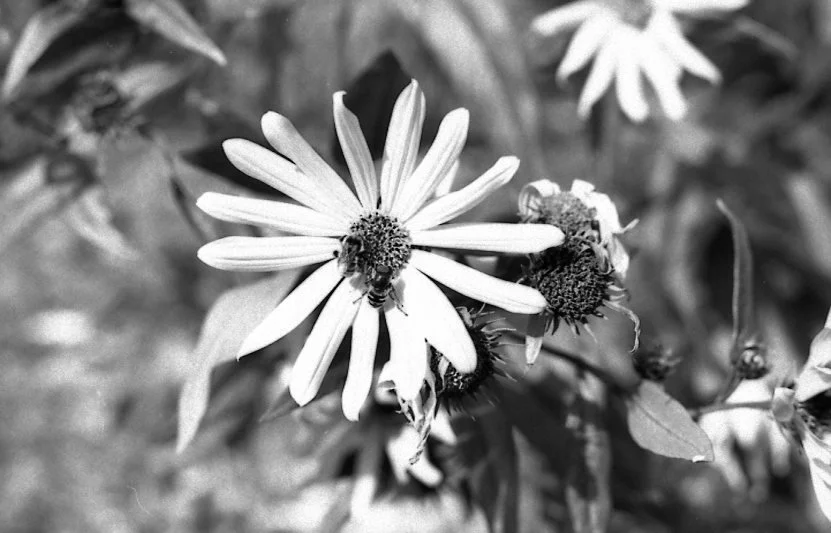
![Silence For the Cinnamon Bear[film detail]_2025_Phytogramed film.jpg](https://images.squarespace-cdn.com/content/v1/66f3d2459a423a4d6e0f90c8/971937c9-eee3-4a96-8a53-112b4812fba5/Silence+For+the+Cinnamon+Bear%5Bfilm+detail%5D_2025_Phytogramed+film.jpg)
![MadelynGowler_05_DoYouRememberThatTime[InstallFilmStill].jpg](https://images.squarespace-cdn.com/content/v1/66f3d2459a423a4d6e0f90c8/21620cbf-0ba2-49a1-84d5-a489e2b7283c/MadelynGowler_05_DoYouRememberThatTime%5BInstallFilmStill%5D.jpg)
THE INTERVIEW
Madelyn Gowler
1. Could you share a bit about your background and what led you to start your art practice?
My family is very creative; everyone plays some sort of instrument, which is why I think they were so supportive of me going to art school at the University of Manitoba. By the end of university, I had streamlined my practice into film, photography, and installation. Since graduating, I’ve been drawn more to textiles, weaving with film, and delving into direct animation moving images. I’ve been freelancing the past two years, teaching Artist in Schools programs through Manitoba Arts Council grants. I also teach various alternative photo-related workshops independently or collaboratively with art organizations within Winnipeg. I’ve also worked for the Gimli Film Festival as a projectionist and for WNDX Festival of Moving Image as the audio technician for the One Take Super 8 event.
2. What themes does your work explore?
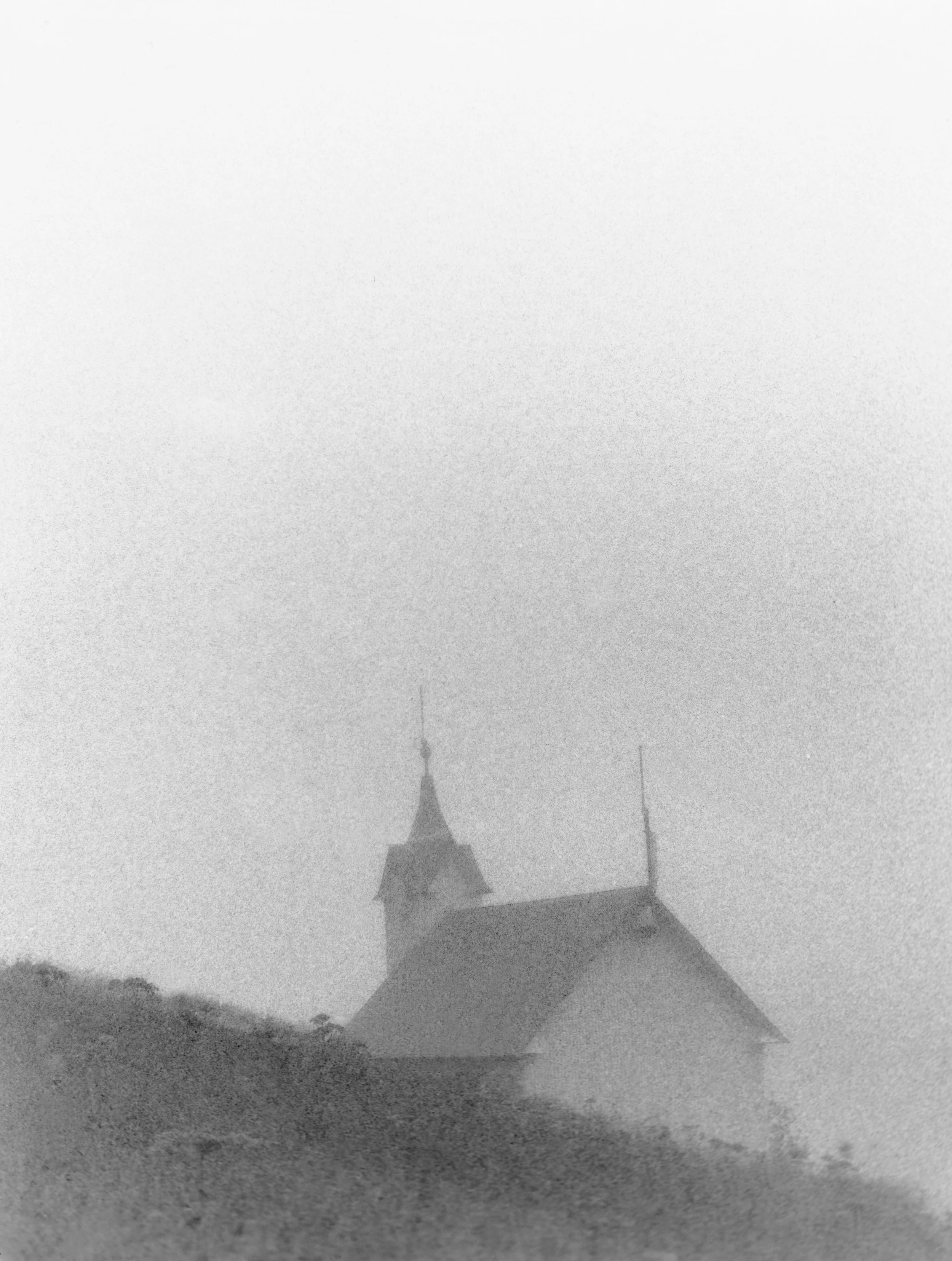
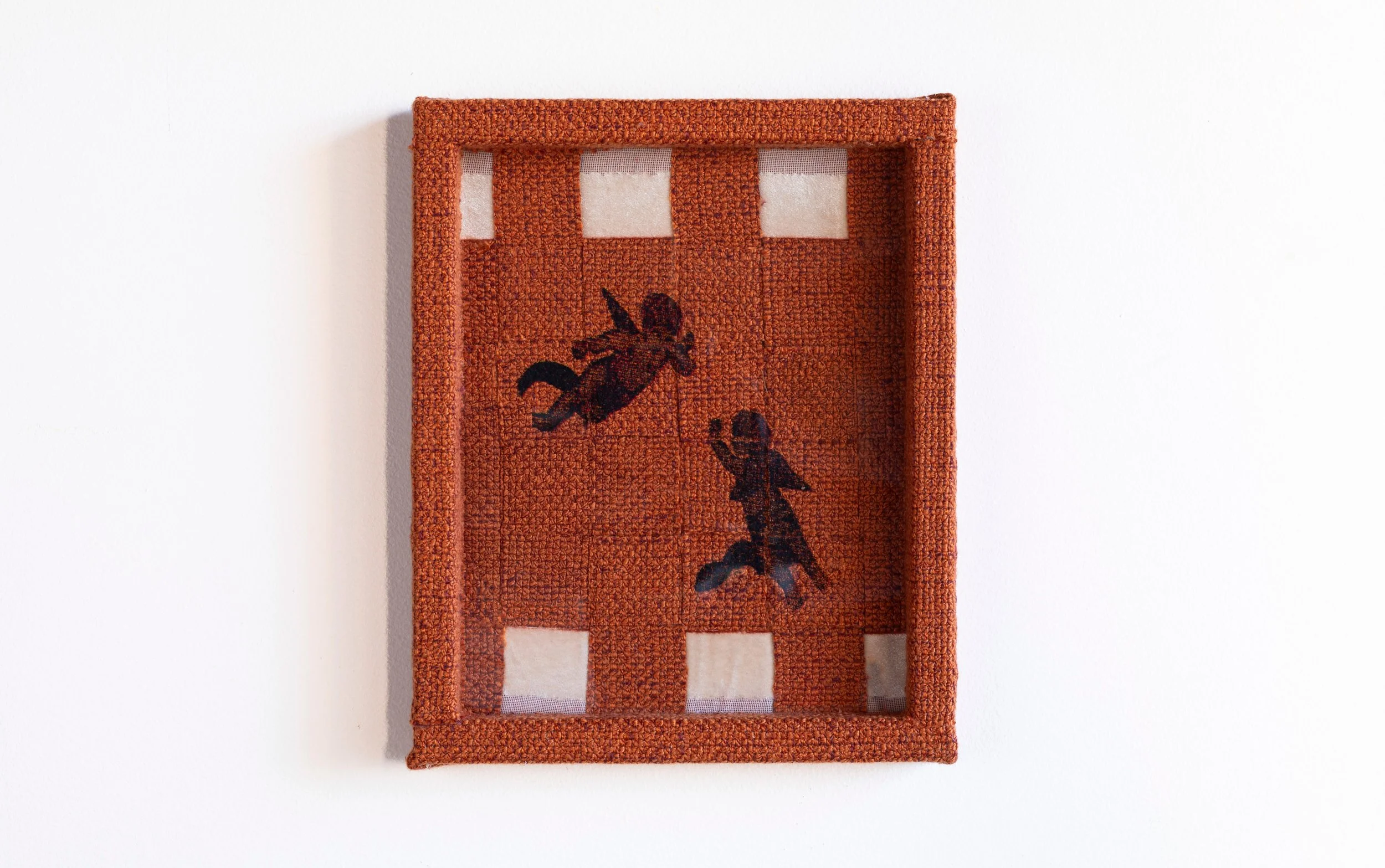
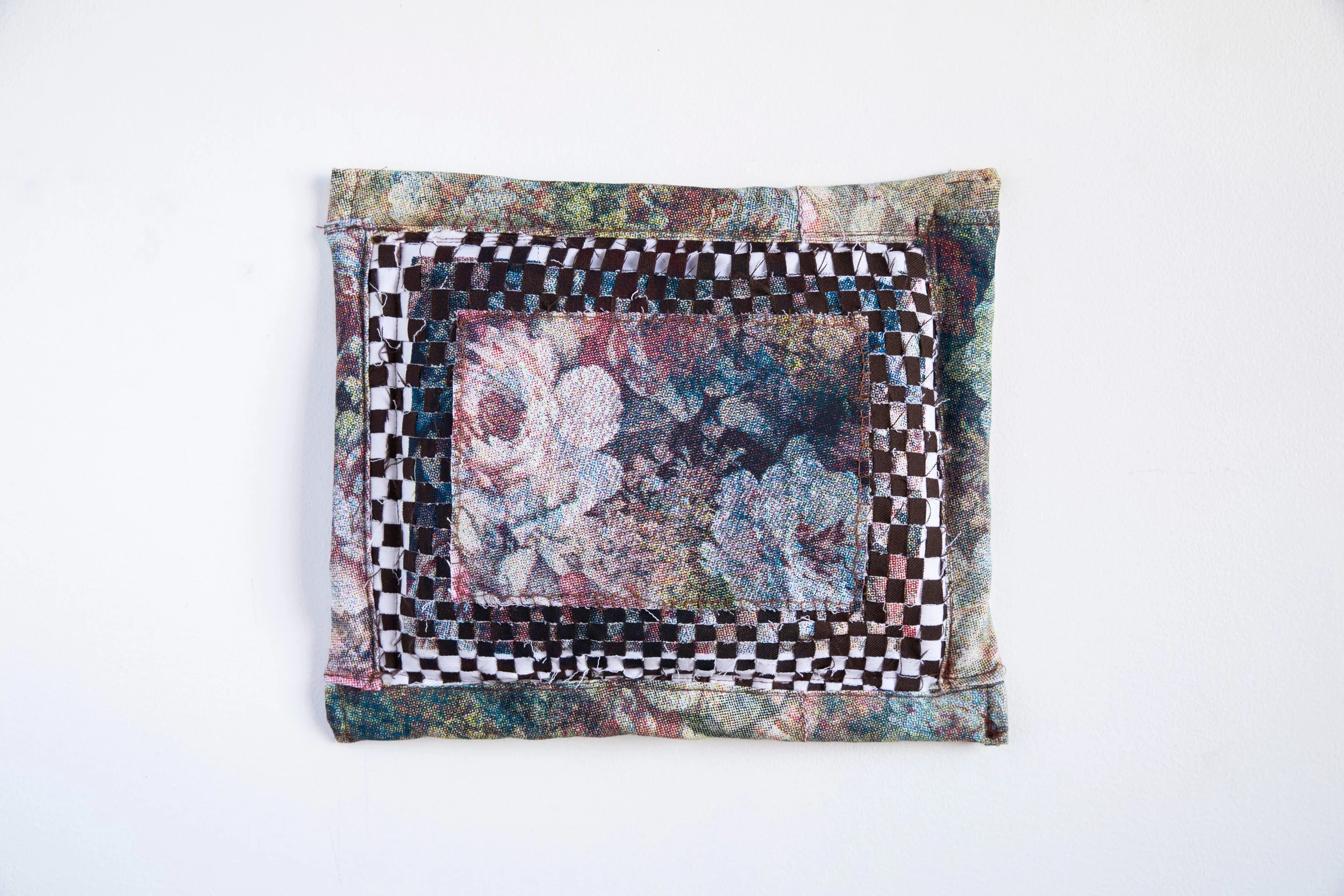
My work explores themes of degradation, storage of memories, nostalgia, and film as subject. My work is very processed-based—exploring the meditative practice of picking apart and piecing back together. I also play with repetition a lot, revisiting and reworking imagery so much so that it almost becomes unrecognizable in its new form. My work is about embracing the discarded and playing around with the tactility of each material. I like to play with layering, covering, censoring, and uncovering imagery. Exploring whether the act of collaging materials is a form of care and repair, or destruction and loss of history.
3. How has your work evolved over the years and what has influenced those changes?
When I started art school at the University of Manitoba, I went into it to focus on painting and possibly sculpture. But by second year, I was in photo classes—falling in love with the darkroom processes. By third year, I had become the Student Photo Monitor, spending all my time in the darkroom or lighting studio. It was through the Technician, Kristiane Church who got me into filmmaking by showing me how to use the Bolex camera. Kristiane has been such a huge support and inspiration in my film practice.
Another turning point in my work was during my honours project, where I was given the freedom to pursue anything I wanted. It gave me the space to explore—being able to scrap work that didn’t fit or feel right. It allowed me to play with expanding what photo and film can be past the pristine 2D printed images. It didn’t limit me to one medium like a typical photo, painting, or sculpture class would do. Since then, a woven film rug I made for fun to add to this installation has really influenced me to continue down this road of pushing the boundaries of film dissemination.
4. What is the biggest source of inspiration for your work?
One of the biggest sources of inspiration for my work at the moment is fabrics that make me feel at home—like couch looking textiles. I draw a lot of inspiration from found materials, like discarded films and thrifted fabrics. I seem to collect all these items that inspire me without a real plan for them, and then, when I’m ready, I can draw from them to make my work.
Lately, I’ve been finding a lot of inspiration from textile artists on Instagram. I’d seen people weave around objects, which then motivated me to weave seaweed and film around rocks. An artist I’ve been following that is currently inspiring me is Jessie Mordine Young. She did a project where she made a weaving every day for a year. She would weave dried flowers, shells, and other various objects into her small weavings.
5. What is the most challenging stage of the creative process for you and why?
The most challenging part of the creative process for me is talking or writing about it. A lot of the time, I don’t really think about the “why” until I’ve finished making it and have to explain it to other people. Also, putting the finishing touches on a piece—like sewing the edges or editing a video or photo—can sometimes be boring or feel like a lot of work, even though it’s satisfying when it’s completed.
6. What is the project you're most proud of to date?
This is such a lovely question, as I’m usually just focusing on the next thing I’m going to create instead of looking back at the things I’m proud of.
I’m really proud of my honours work Film About Film: Obliteration of the Image, because it felt like a huge turning point in my work. The project pushed me to constantly redefine the static image I started with—constantly converting it from digital file to analog object, back to digital file again. The project was so fun to make, as I was slowly, over the year, creating this room full of repetitive film deconstruction—making floor tiles, rugs, and moving images on CRT monitors, creating this strange living room situation.
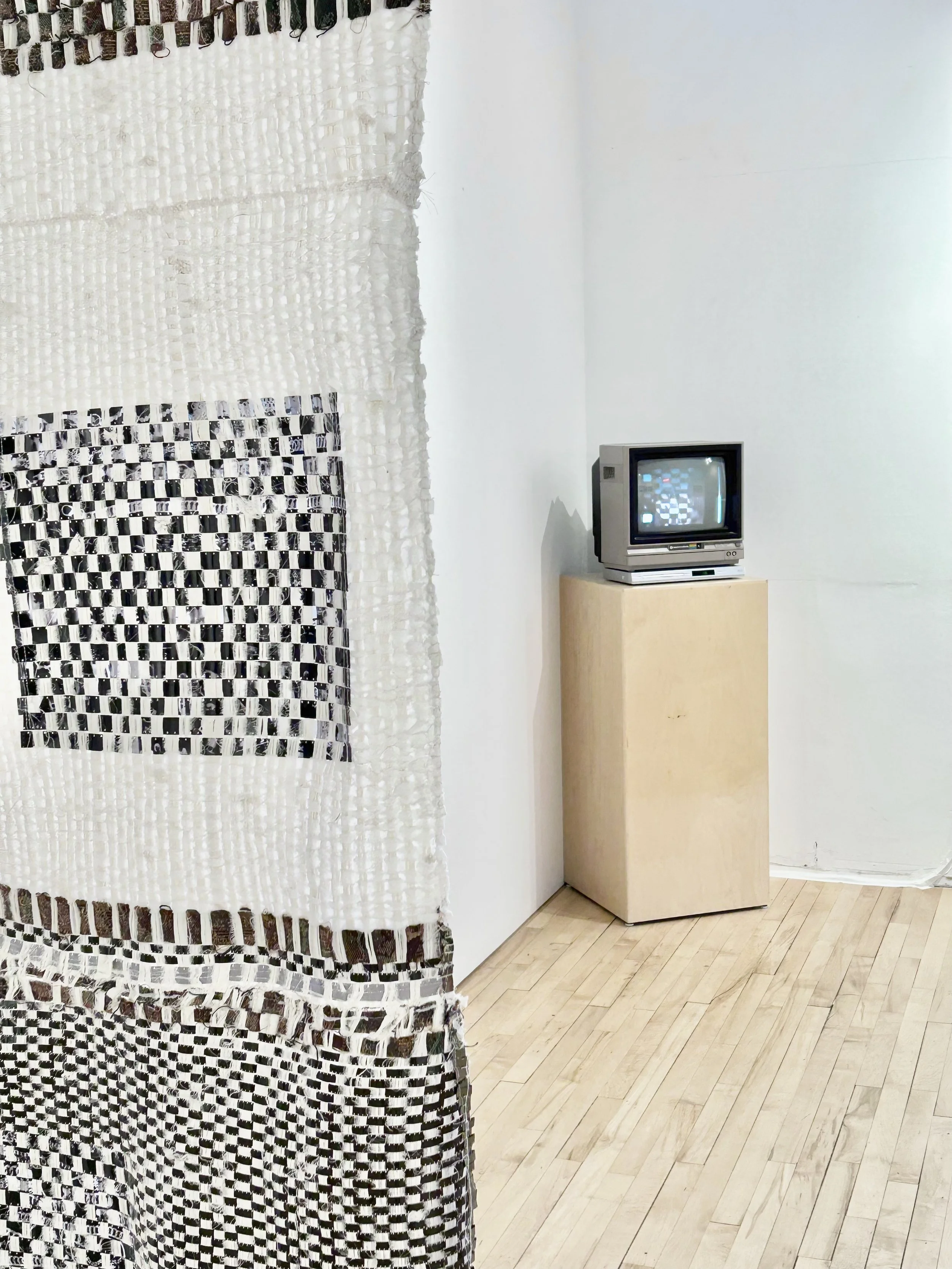
The other project I’m proud of is Do You Remember That Time?—which was definitely influenced by my honours work, by how I displayed the film in various ways within the same space. But I wanted to invite more of a personal aspect this time. I used jewelry and slides from my grandparents to contact print onto 16mm film, which I then digitized and wove into a tapestry. I played with creating frames of film within the tapestry—instead of weaving it all the way through like stripes—and hung it from the ceiling so both sides were visible. Then, I installed the moving image to face/mirror the hanging film tapestry.
7. Do you see yourself staying in Winnipeg long term, or are there other cities that inspire you to work there?
I really love Winnipeg and its community, so I could truly see myself staying here long-term. The city is big enough that there are so many opportunities, but small enough that you see familiar faces everywhere you go.
I’m also a part of an art collective in a studio and that has been such a huge benefit to my work—to be around such talented, inspiring, and like-minded people. The space is part of the reason why I wouldn’t want to move away from Winnipeg. The building is full of other creatives, where we organize workshops or sales—which has been so fun! I’ve also built my own little darkroom space in the storage room closet, so I would hate to leave that behind. I also just know it would be a nightmare to move all my stuff I’ve collected over the years. A group of us moved from a studio on Arlington to our current McDermot one, and it really exposed how much stuff we keep as artists—so I would like to avoid having to move even more stuff now.
I am hoping to do grad school outside of Winnipeg, though, but the plan is to return after—so I would love to keep my studio space here if I can afford it.
8. Do you think your practice would look different if you were based in another city?
I think it would—especially my film work. I feel like, since Winnipeg doesn’t have a filmmaking school here, it’s a very DIY film scene. I think that’s why it’s so supportive, and people are always open to sharing their expertise. This city really has allowed me to grow and collaborate with others.
For the past couple of years, I’ve made a film with a few of my friends and partner for the One Take Super 8 for WNDX Festival of Moving Image. I feel like, in bigger cities, it’d be harder to meet and connect with other creatives who will constantly show up for one another. I did the Foundation Mentorship Program through MAWA (Mentoring Artists for Women’s Art) from 2023-2024, where there were opportunities for peer critiques and hangouts, and at the end, we came together for a group show. I also did the Youth Outreach Program through Martha Street Studio in 2025—and to this day, I still see people from both programs, as well as from art school. I’ve never lived outside of Manitoba, so I wouldn’t really know anything different, though.
9. What would you like to accomplish in the next few years?
In the next few years, I’m aiming towards improving my weaving skills. I got this floor loom I’ve been meaning to figure out, as I’ve only used different sized frame looms, which takes significantly longer to hand weave each thread. I really want to make more intricate tapestries and explore natural dyeing of yarns and fabrics, as I’ve only really tried dyeing films so far.
I also have been wanting to incorporate more text and audio/music within my film work—hopefully to give it more narrative, which will still be a very, very loose narrative, and still stay within the realm of abstraction, but with more contextual clues.
Then, next year, I’m thinking about applying for grad school. I’ll most likely stay within Canada, but would love to experience either the east or west coast—to try something other than the flat land of the prairies! After grad school, I’m most likely coming back to Winnipeg, because I honestly really love it here.
10. If there's one thing you hope people take away from your work, what would it be?
I hope it makes people think of their grandparents' home, or something comforting. I want people to have to search for their own meaning within the hidden frames of my work. I’m always having fun within my practice—especially with adding titles—I don’t really take it too seriously, so I hope people feel that silliness.
I also strive for the audience to feel a certain off-ness to my work—something disconcerting in the way I handle film. The typical care given to film is thrown out the window in my practice. I cut it up and piece it back together; I love the dust, hairs, scratches, and exposed sprocket holes, tape, and stitches. I want people to feel confused about the presentation of the image—making them work to see the tiny frame.